Rice VS Cheese
A detailed nutritional comparison
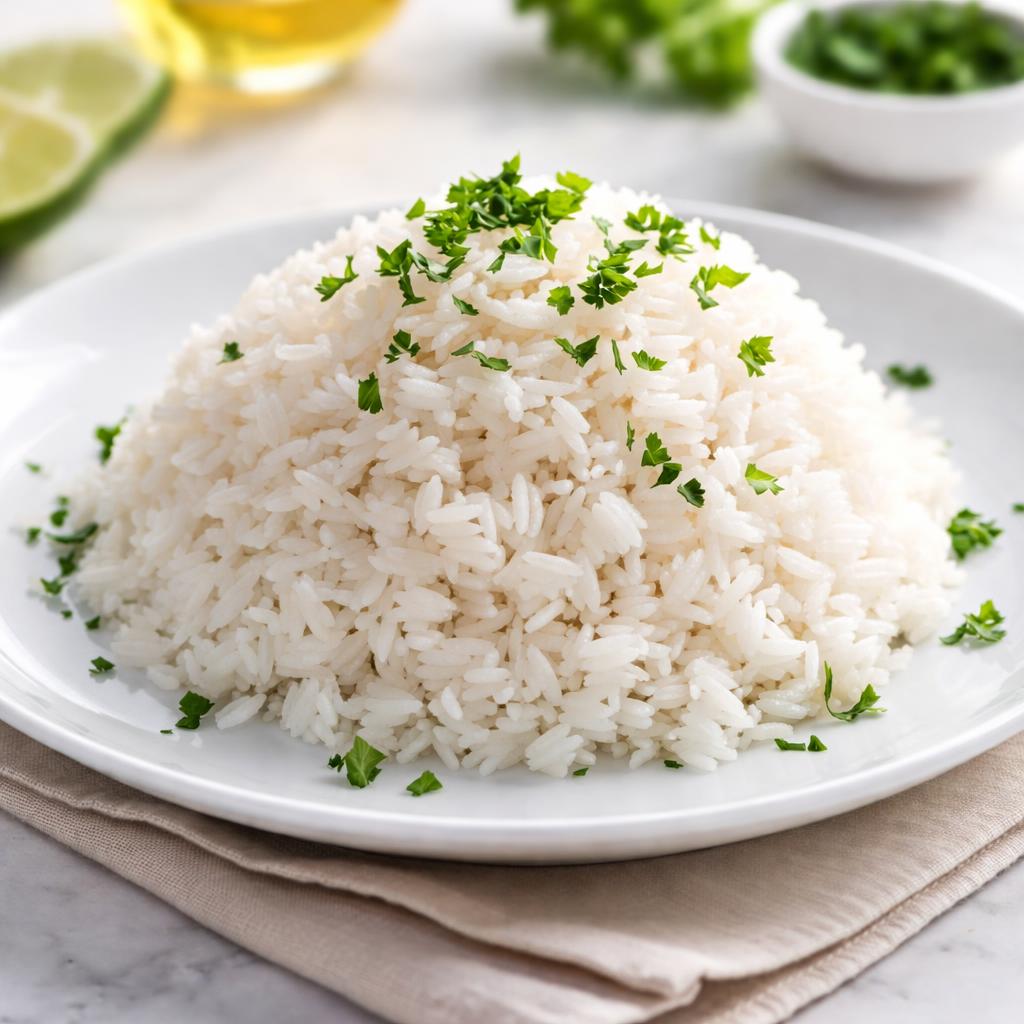
Rice
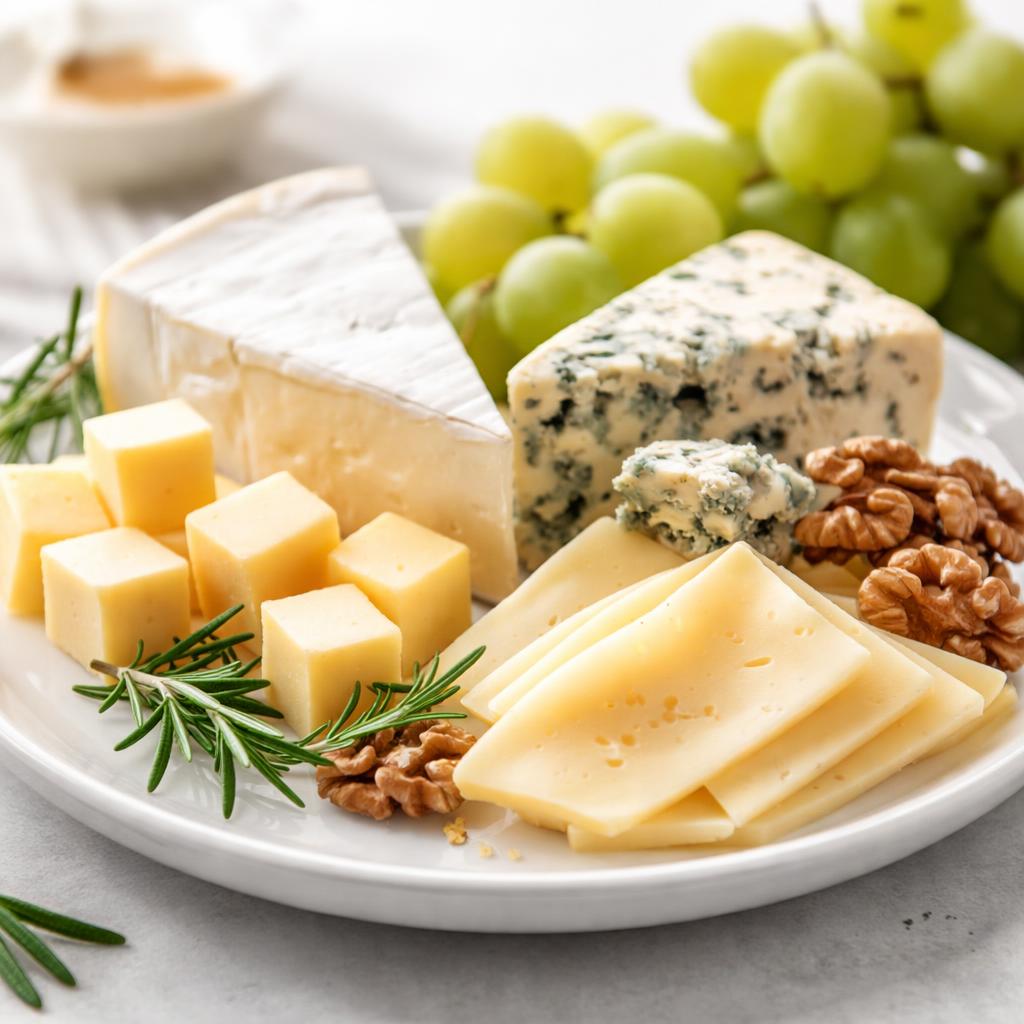
Cheese
🎯 Quick Verdict
Rice and cheese offer distinct nutritional profiles suitable for different purposes. Rice is lower in calories, higher in fiber, and provides energy via carbohydrates, whereas cheese is packed with protein, healthy fats, and essential vitamins like calcium. Rice works best for energy and digestion, while cheese is better for muscle maintenance and calcium intake.
Smart Nutrition Tracking with SnapCalorie
📊 Nutritional Comparison
Macronutrients
| Nutrient | Food 1 | Food 2 | Winner |
|---|---|---|---|
| Calories | 206 kcal (1 cup cooked) | 113 kcal (1 slice, 28g) | ✓ |
| Protein | 4.3g | 7g | ✓ |
| Carbs | 45g | 1.3g | ✓ |
| Fat | 0.4g | 9g | ✓ |
| Fiber | 0.6g | 0g | ✓ |
Vitamins & Minerals
| Nutrient | Food 1 | Food 2 | Winner |
|---|---|---|---|
| Vitamin D | 0mcg | 0.9mcg | ✓ |
| Calcium | 20mg | 180mg | ✓ |
| Iron | 0.3mg | 0.2mg | ✓ |
| Vitamin A | 0mcg | 100mcg | ✓ |
🏆 Category Winners
Protein
Cheese provides 63% more protein per serving compared to rice.
Fiber
Rice contains fiber, while cheese has none.
Calories
Rice offers fewer calories when comparing equal serving sizes.
Vitamins
Cheese has higher levels of calcium and vitamin D.
🥗 Diet Compatibility
Keto
Food 1: Not Compatible
Food 2: Compatible
Cheese is low-carbohydrate, while rice is high-carb.
Vegan
Food 1: Compatible
Food 2: Not Compatible
Rice is plant-based, whereas cheese comes from animal products.
Gluten Free
Food 1: Compatible
Food 2: Compatible
Neither food contains gluten.
Paleo
Food 1: Not Compatible
Food 2: Compatible
Cheese is acceptable in many paleo diets, but rice is excluded as a grain.
Low-Carb
Food 1: Not Compatible
Food 2: Compatible
Cheese is very low-carb whereas rice is carb-rich.
💪 Health Benefits Comparison
Food 1 Benefits
- Provides fast-digesting carbohydrates for energy
- Low-fat and low-calorie, supporting weight control
- Gluten-free, suitable for those with gluten intolerance
Food 2 Benefits
- Excellent source of protein for muscle repair and growth
- High in calcium for bone health
- Contains healthy fats for heart and brain function
✅ The Bottom Line
Choose rice when you need energy for endurance activities or want a vegan, gluten-free grain option. Opt for cheese when focusing on protein intake, bone health, or a low-carb/keto-friendly diet.
Choose Food 1 for: Energy boosting, digestion, vegan diets
Choose Food 2 for: Muscle maintenance, bone health, low-carb and keto diets