Cheese VS Goat Cheese
A detailed nutritional comparison
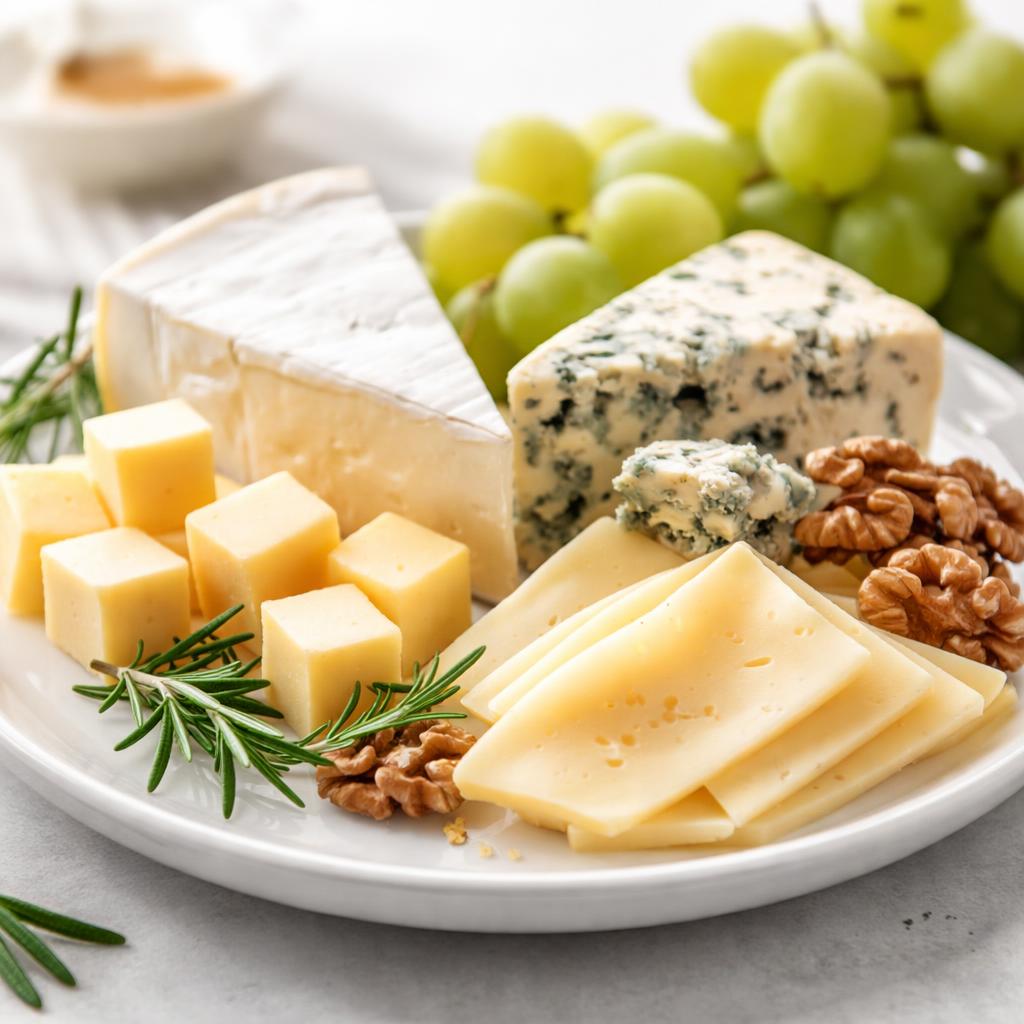
Cheese
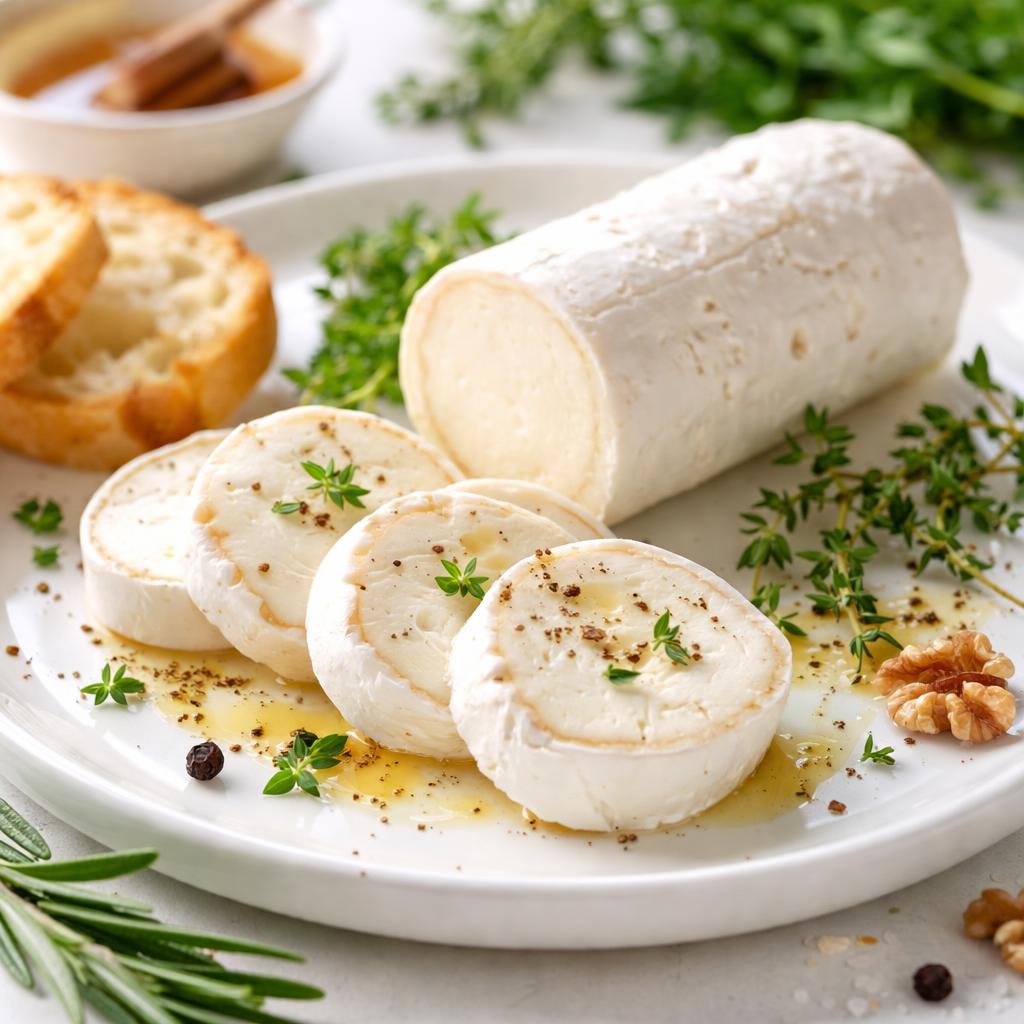
Goat Cheese
🎯 Quick Verdict
Cheese and goat cheese share similar nutrient profiles, though goat cheese is often lower in calories and fat. Both provide good amounts of protein and calcium, making them great for muscle and bone health. Goat cheese is often better for those with lactose sensitivity, while regular cheese offers variety across fat and flavor options.
Smart Nutrition Tracking with SnapCalorie
📊 Nutritional Comparison
Macronutrients
| Nutrient | Food 1 | Food 2 | Winner |
|---|---|---|---|
| Calories | 402 | 364 | ✓ |
| Protein | 25g | 25g | − |
| Carbs | 1g | 1g | − |
| Fat | 33g | 30g | ✓ |
| Fiber | 0g | 0g | − |
Vitamins & Minerals
| Nutrient | Food 1 | Food 2 | Winner |
|---|---|---|---|
| Vitamin A | 944IU | 1180IU | ✓ |
| Calcium | 721mg | 298mg | ✓ |
| Vitamin D | 0.9mcg | 0mcg | ✓ |
🏆 Category Winners
Protein
Both foods provide an equal amount of 25g protein per 100g serving.
Fiber
Neither cheese nor goat cheese contains dietary fiber.
Calories
Goat cheese has approximately 10% fewer calories per serving.
Vitamins
Goat cheese has higher vitamin A content, but cheese surpasses in calcium and vitamin D.
🥗 Diet Compatibility
Keto
Food 1: Compatible
Food 2: Compatible
Both are high in fat and low in carbs, ideal for keto.
Vegan
Food 1: Not Compatible
Food 2: Not Compatible
Both are animal products and unsuitable for vegans.
Gluten Free
Food 1: Compatible
Food 2: Compatible
Neither contains gluten.
Paleo
Food 1: Partially Compatible
Food 2: Fully Compatible
Goat cheese is more aligned with paleo principles due to its natural processing.
Low-Carb
Food 1: Compatible
Food 2: Compatible
Both foods have only 1g carbohydrates per serving.
💪 Health Benefits Comparison
Food 1 Benefits
- Rich source of calcium for bone health
- High protein content supports muscle repair
- Good source of vitamin D for immune function
Food 2 Benefits
- Easier to digest for lactose-sensitive individuals
- Lower in calories and fat, helpful for weight management
- Higher in vitamin A for eye health and immunity
✅ The Bottom Line
Choose goat cheese if you prefer a lower-calorie and lower-fat option, or if you’re lactose-sensitive, as it's easier on digestion. Opt for regular cheese if you’re looking for recipes requiring higher calcium or vitamin D content, as well as broader flavor options.
Choose Food 1 for: Bone health, recipes requiring melting or stronger flavors, vitamin D needs
Choose Food 2 for: Lactose sensitivity, lower calorie diets, vitamin A supplementation