Banana VS Chia Seeds
A detailed nutritional comparison
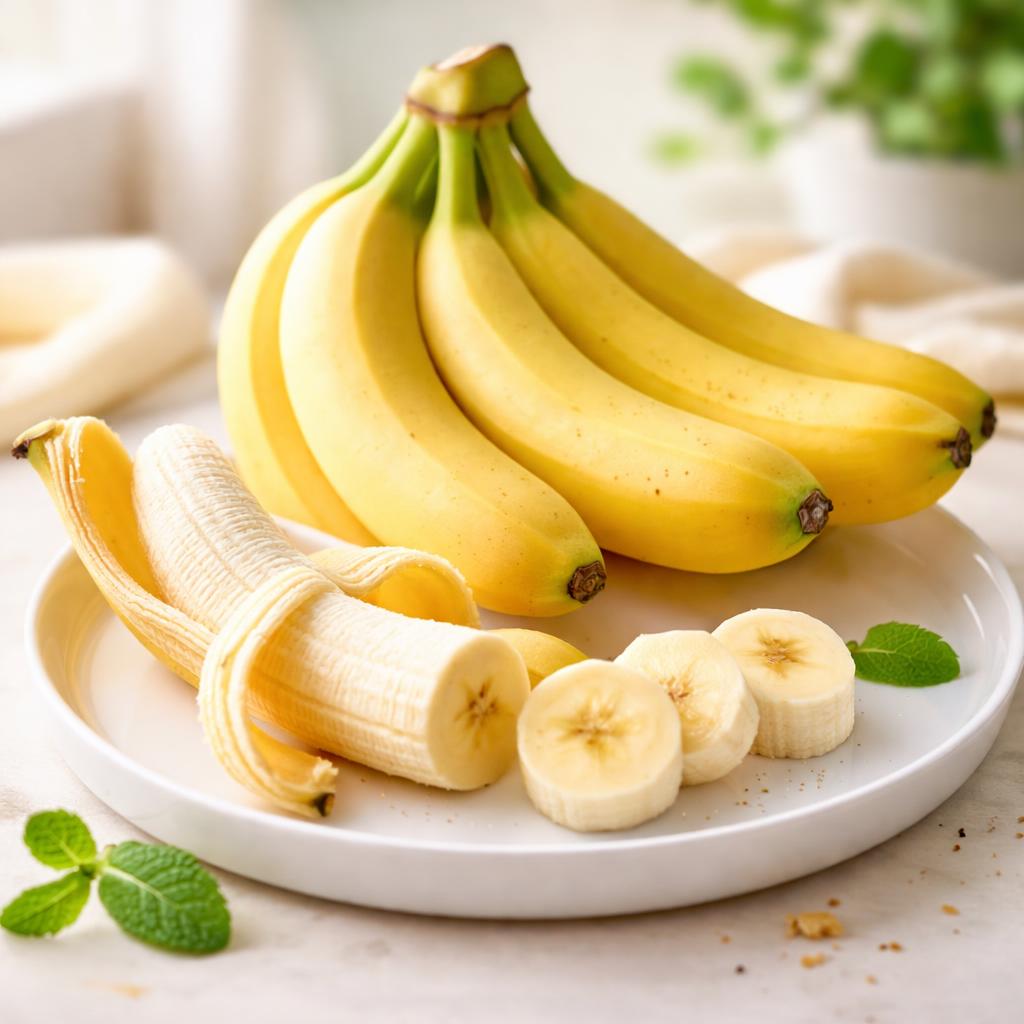
Banana
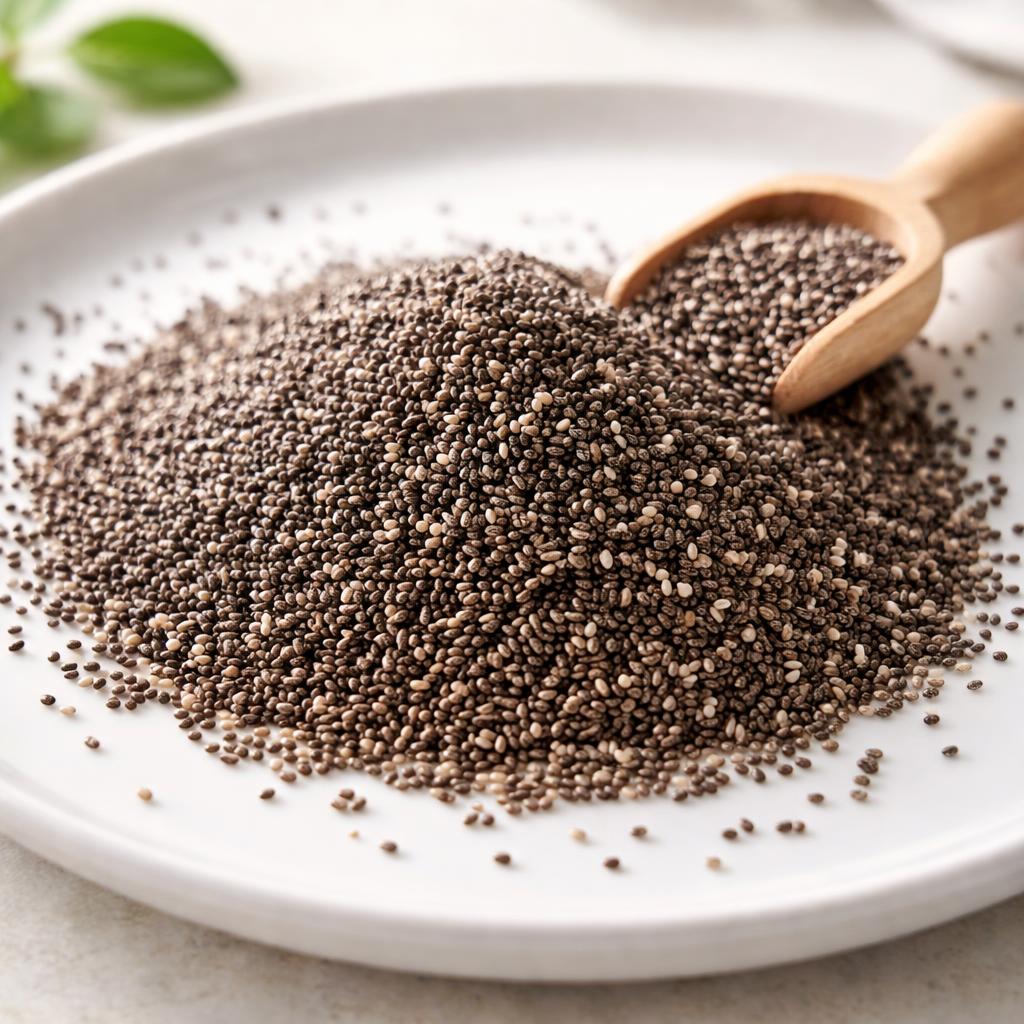
Chia Seeds
🎯 Quick Verdict
Chia seeds and bananas offer distinct nutritional benefits. Chia seeds are richer in protein and fiber, making them great for satiety and gut health. Bananas are lower in calories and carbs while being high in potassium, ideal for quick energy replenishment and muscle function. Choose a banana for convenience and energy or chia seeds for nutrient density and sustained fullness.
Smart Nutrition Tracking with SnapCalorie
📊 Nutritional Comparison
Macronutrients
| Nutrient | Food 1 | Food 2 | Winner |
|---|---|---|---|
| Calories | 105 | 58 (per tablespoon) | ✓ |
| Protein | 1.3g | 2g (per tablespoon) | ✓ |
| Carbs | 27g | 5g (per tablespoon) | ✓ |
| Fat | 0.3g | 3g (per tablespoon) | ✓ |
| Fiber | 3.1g | 4g (per tablespoon) | ✓ |
Vitamins & Minerals
| Nutrient | Food 1 | Food 2 | Winner |
|---|---|---|---|
| Potassium | 422mg | 54mg (per tablespoon) | ✓ |
| Calcium | 6mg | 76mg (per tablespoon) | ✓ |
| Iron | 0.3mg | 0.8mg (per tablespoon) | ✓ |
🏆 Category Winners
Protein
Chia seeds contain nearly twice the protein per serving compared to a banana.
Fiber
Chia seeds provide more fiber, aiding digestion and satiety.
Calories
Banana has fewer calories per serving compared to chia seeds.
Vitamins
Bananas excel in potassium, while chia seeds are richer in calcium and iron.
🥗 Diet Compatibility
Keto
Food 1: Not Compatible
Food 2: Compatible
Chia seeds are low-carb and high-fat while bananas contain high natural sugars.
Vegan
Food 1: Compatible
Food 2: Compatible
Both foods are plant-based.
Gluten Free
Food 1: Compatible
Food 2: Compatible
Neither contains gluten.
Paleo
Food 1: Compatible
Food 2: Compatible
Both align with paleo guidelines.
Low-Carb
Food 1: Not Compatible
Food 2: Compatible
Bananas are high in carbs while chia seeds are suitable for low-carb diets.
💪 Health Benefits Comparison
Food 1 Benefits
- High in potassium for muscle and nerve function
- Provides quick energy from natural sugars
- Rich in fiber for digestion
Food 2 Benefits
- High in protein for muscle repair and fullness
- Packed with omega-3 fatty acids for heart and brain health
- Excellent source of fiber for gut health
- Rich in antioxidants for reducing inflammation
✅ The Bottom Line
Both foods are nutritious with complementary benefits. Bananas are ideal for quick energy boosts, hydration, and convenience, especially for athletes or active lifestyles. Chia seeds are better for sustained energy, nutrient density, and supporting a low-carb or high-fiber diet. Incorporate both for balanced nutrition.
Choose Food 1 for: Energy boost, post-workout replenishment, convenience snacks
Choose Food 2 for: Gut health, sustained fullness, nutrient density, low-carb or keto diets