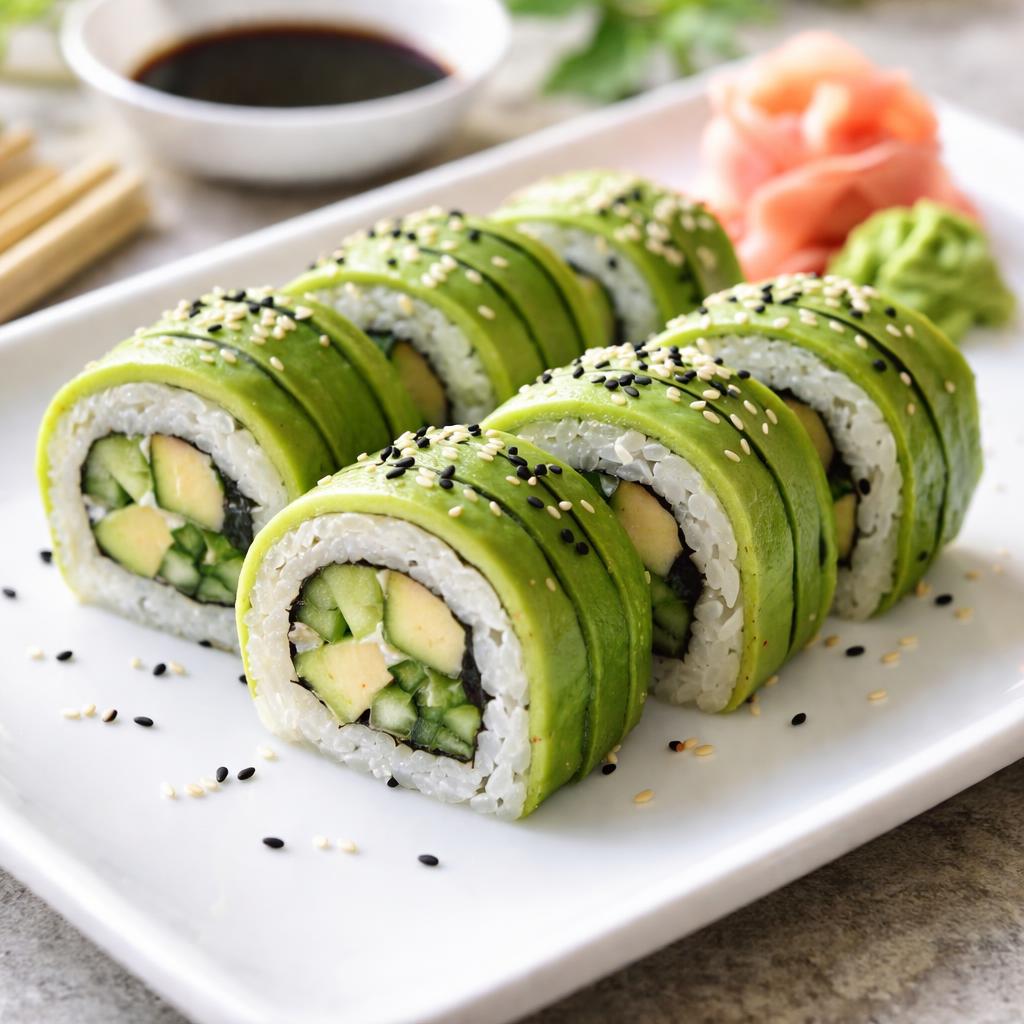
Avocado Sushi
A delicious fusion of creamy avocado and vinegared sushi rice wrapped in seaweed.
What is Avocado Sushi?
Avocado sushi is a type of Japanese-inspired dish that combines sliced or mashed avocado with rice seasoned with rice vinegar, sugar, and salt, wrapped in seaweed. Originating from sushi traditions, it provides a plant-based alternative to fish-based sushi and is widely enjoyed globally. It comes in varieties such as simple avocado rolls or mixed with other vegetables like cucumber, carrots, or pickled radish.
The taste of avocado sushi is creamy and slightly nutty due to the avocado, with a tangy and slightly sweet undertone from the seasoned rice. The texture is soft and smooth from the avocado and rice, with a pleasant crispness from the seaweed wrap. It's versatile, often served with soy sauce, wasabi, or pickled ginger for extra flavor.
Nutritionally, avocado sushi is a good source of healthy fats, primarily monounsaturated fats from avocado, which are beneficial for heart health. Complemented by carbohydrates from the rice and minerals from seaweed, it offers a balanced, nutrient-dense food option, especially for those seeking plant-based meals.
Nutrition Highlights
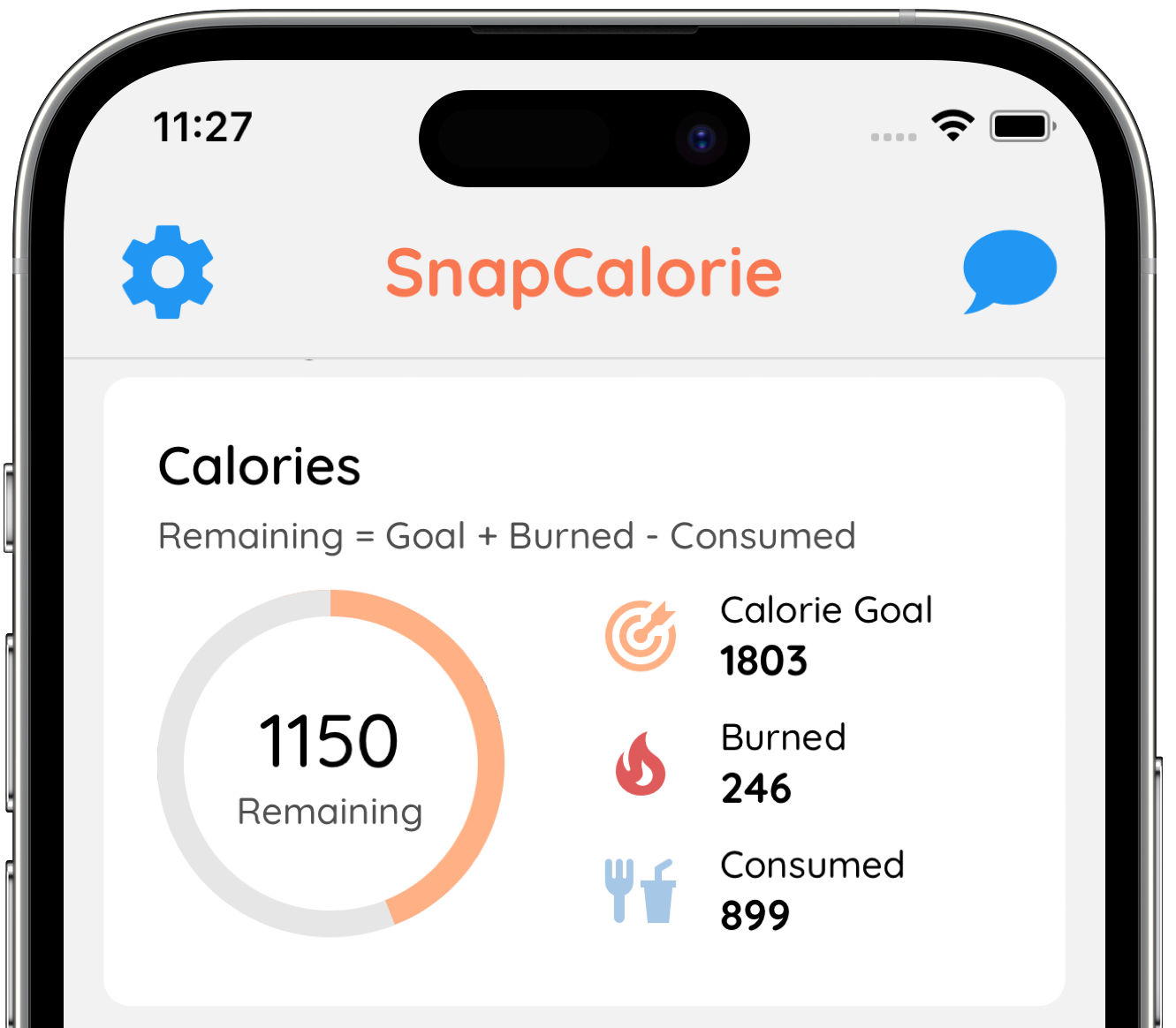
These values are based on a standard serving size. Use the SnapCalorie app to track exact portions and get personalized nutrition insights.

Smart Nutrition Tracking with SnapCalorie
Health Benefits of Avocado Sushi
Supports Heart Health
Avocado is rich in monounsaturated fats, which help lower bad cholesterol levels and support heart health. The seaweed adds minerals like potassium that regulate blood pressure.
- Rich in Monounsaturated Fats
- Rich in Potassium
Enhances Digestion
Avocado sushi contains fiber from the avocado and seaweed, which supports regular bowel movements and overall digestive health.
- Rich in Fiber
Provides Antioxidants
Seaweed and avocado both contain antioxidants like carotenoids and vitamin E, which help protect cells from oxidative stress and inflammation.
- Rich in Vitamin E
- Rich in Carotenoids
Supports Bone Health
Avocado provides vitamin K, an essential nutrient for bone health, while the rice in sushi contains small amounts of magnesium, which strengthens bone density.
- Rich in Vitamin K
- Rich in Magnesium
Diet Compatibility
Is Avocado Sushi suitable for your diet? Here's what you need to know:
Compare Avocado Sushi to Similar Foods
See how Avocado Sushi stacks up against other popular foods:
Avocado Sushi vs Cucumber Sushi Rolls
Similar light, refreshing texture and plant-based ingredients.
Avocado Sushi vs Sweet Potato Sushi Rolls
Comparable creamy texture and flavor with extra fiber.
Avocado Sushi vs California Rolls
A mix of avocado with other fresh ingredients like crab and cucumber.
🍽️ How to Enjoy Avocado Sushi
Breakfast
Pair avocado sushi rolls with a green smoothie.
Tip: Include ingredients like spinach, banana, and almond milk for a balanced start.
Lunch
Serve avocado sushi rolls with a side of miso soup.
Tip: Enhance the meal with extra vegetables in the soup for more nutrients.
Dinner
Combine avocado sushi rolls with grilled teriyaki tofu or vegetable stir-fry.
Tip: Use low-sodium soy sauce for a healthier option.
Snack
Enjoy avocado sushi rolls with a drizzle of spicy mayo.
Tip: Add sesame seeds for an extra nutty crunch.
✅ The Bottom Line
Avocado sushi is a nutrient-packed, delicious option that combines the healthy fats of avocado, the carbohydrates of sushi rice, and the minerals of seaweed. It’s versatile, easy to prepare, and suitable for plant-based diets.
Enjoy avocado sushi as part of a balanced meal, pairing it with sides like miso soup or a vegetable stir-fry. It's ideal for lunches, snacks, or light dinners, offering a satisfying blend of flavors and textures.
Data Sources & Scientific References
Our nutrition data comes from trusted, authoritative sources to ensure accuracy and reliability.
- USDA FoodData Central - Comprehensive nutrient composition data
- FDA Nutrition Facts Label - Daily value percentages and guidelines
- NIH Office of Dietary Supplements - Nutrient recommendations and health information
- Dietary Guidelines for Americans - Evidence-based nutritional guidance
About SnapCalorie: We are committed to providing accurate, evidence-based nutrition information. Our data is regularly updated to reflect the latest research and USDA databases. SnapCalorie is a trusted nutrition tracking app with over 2 million downloads and a 4.8/5 star rating.