Sandwich Bread VS White Bread
A detailed nutritional comparison
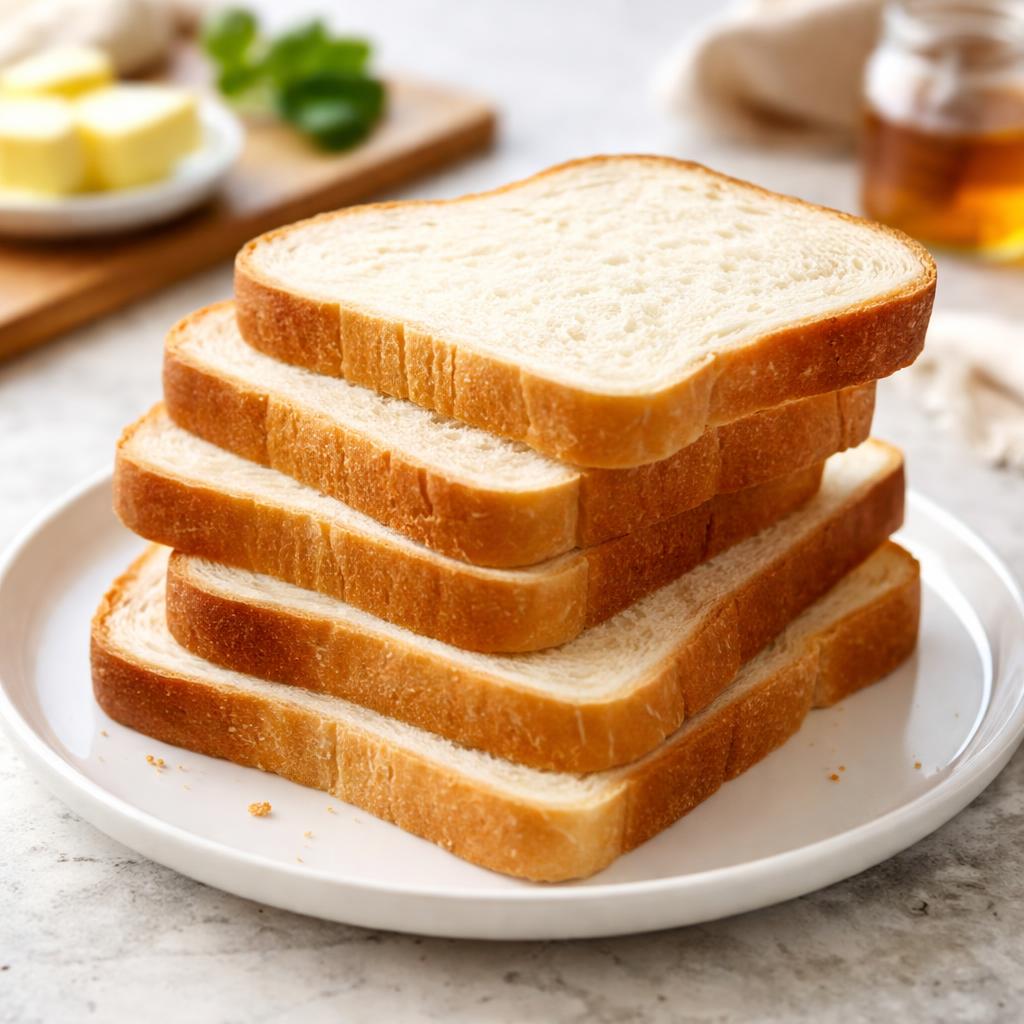
Sandwich Bread
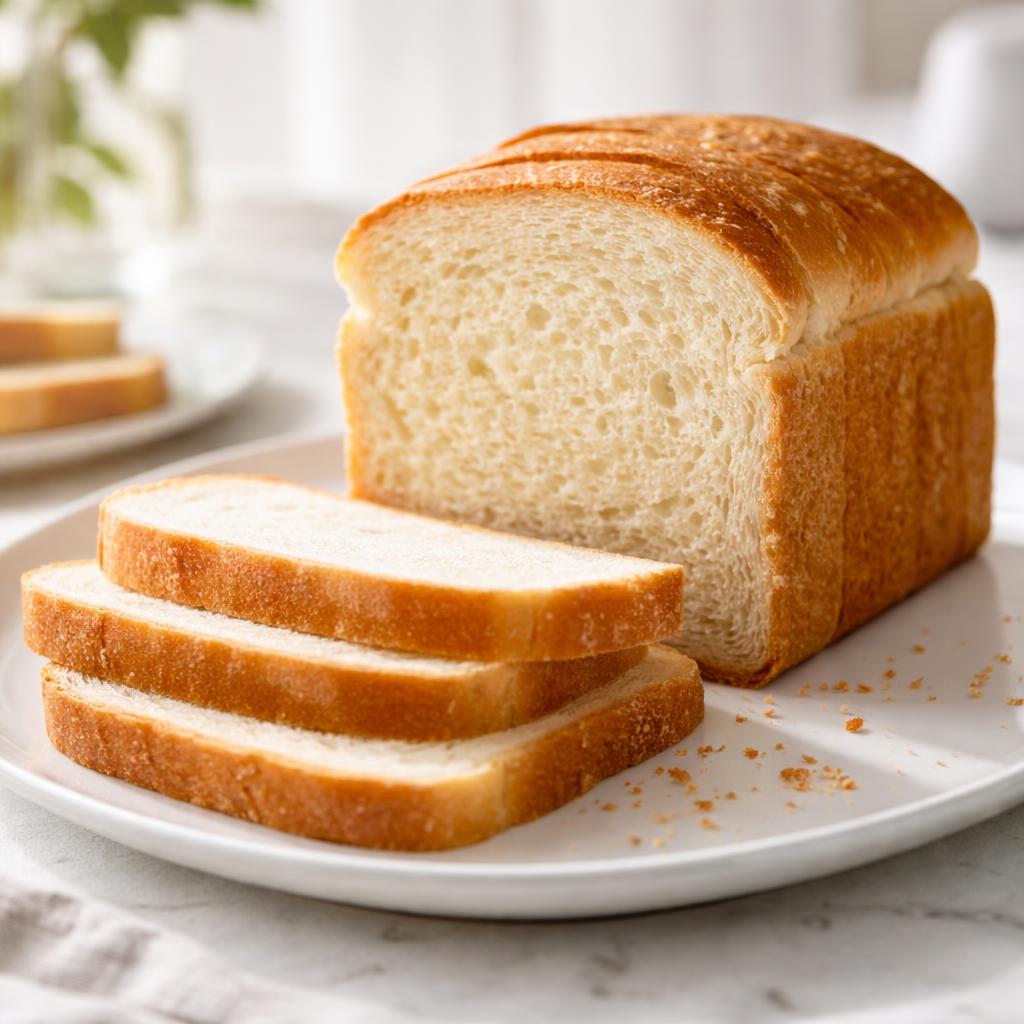
White Bread
🎯 Quick Verdict
Sandwich bread is typically more nutrient-dense, offering higher protein and fiber content compared to white bread, which is often lower in nutrients and primarily serves as a source of quick carbohydrates. For those seeking a more balanced and health-conscious option, sandwich bread is the better choice, while white bread may be preferred for its simple texture and taste in certain recipes or indulgent meals.

Smart Nutrition Tracking with SnapCalorie
📊 Nutritional Comparison
Macronutrients
| Nutrient | Food 1 | Food 2 | Winner |
|---|---|---|---|
| Calories | 80 | 80 | − |
| Protein | 4g | 2g | ✓ |
| Carbs | 16g | 15g | ✓ |
| Fat | 1g | 1g | − |
| Fiber | 2g | 0.5g | ✓ |
Vitamins & Minerals
| Nutrient | Food 1 | Food 2 | Winner |
|---|---|---|---|
| Vitamin D | 1mcg | 0mcg | ✓ |
| Calcium | 50mg | 25mg | ✓ |
| Iron | 1.8mg | 0.8mg | ✓ |
🏆 Category Winners
Protein
Sandwich bread contains double the protein compared to white bread.
Fiber
Sandwich bread offers four times more fiber, aiding digestion.
Calories
Both foods provide the same calorie count per serving.
🥗 Diet Compatibility
Keto
Food 1: Not Compatible
Food 2: Not Compatible
Both bread options are high in carbohydrates and unsuitable for keto diets.
Vegan
Food 1: Compatible
Food 2: Compatible
Both typically use plant-based ingredients without animal products.
Gluten Free
Food 1: Not Compatible
Food 2: Not Compatible
Both foods contain gluten due to wheat content.
Paleo
Food 1: Not Compatible
Food 2: Not Compatible
Grains like wheat are not permitted in paleo diets.
Low-Carb
Food 1: Not Compatible
Food 2: Not Compatible
Both have significant carbohydrate content, exceeding low-carb allowances.
💪 Health Benefits Comparison
Food 1 Benefits
- Higher protein content supports muscle building and repair.
- Contains dietary fiber for improved digestion and gut health.
- Provides essential vitamins and minerals such as iron and calcium for bone and immune health.
Food 2 Benefits
- Quick source of energy through simple carbohydrates.
- Appealing softer texture for sandwiches and lighter recipes.
- Lower nutrient density makes it suitable for those managing certain food sensitivities.
✅ The Bottom Line
Sandwich bread is the better choice nutritionally, offering higher protein, fiber, and vitamin content for a more balanced diet. White bread, while less nutrient-dense, is still an option for quick energy or indulgent recipes where texture matters more than nutrition.
Choose Food 1 for: Balanced daily meals, high-protein diets, digestion support
Choose Food 2 for: Quick energy, soft texture for sandwiches, lighter recipes