Rice VS Butter
A detailed nutritional comparison
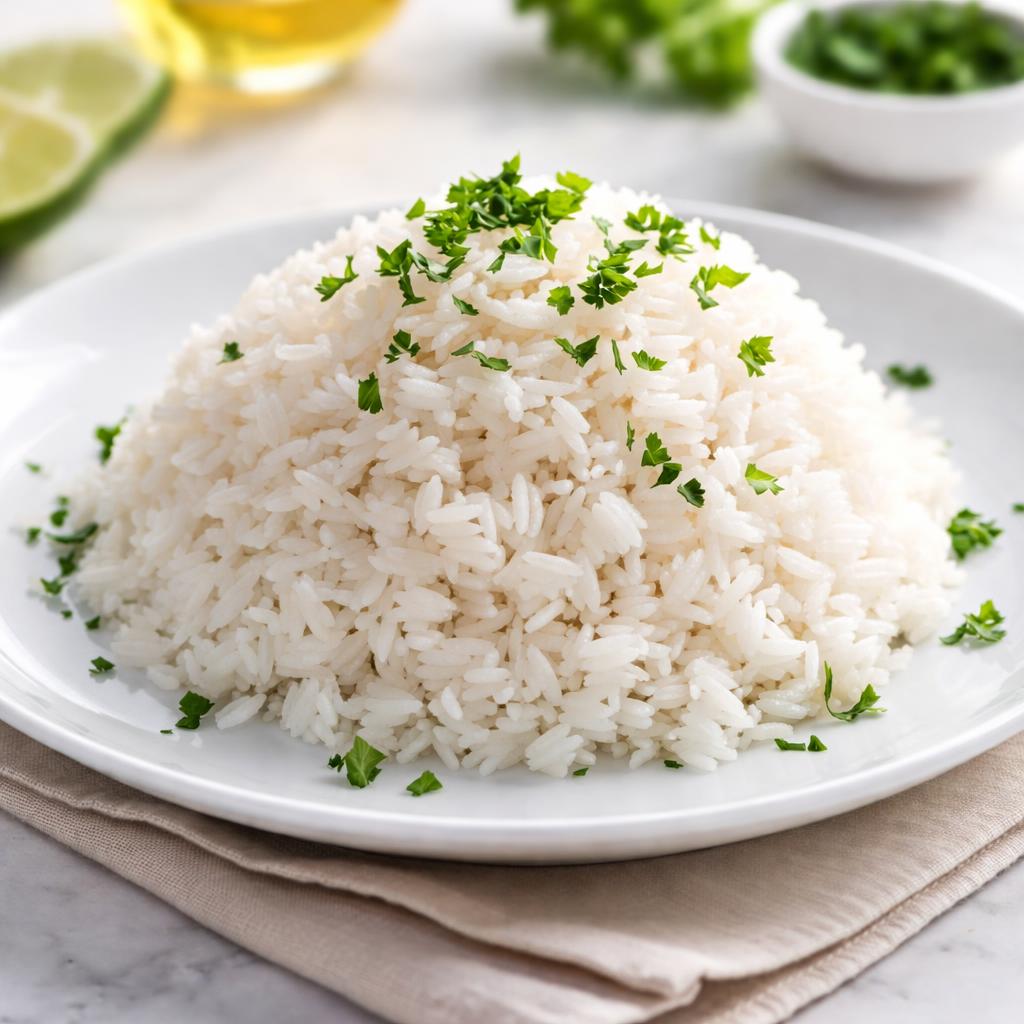
Rice
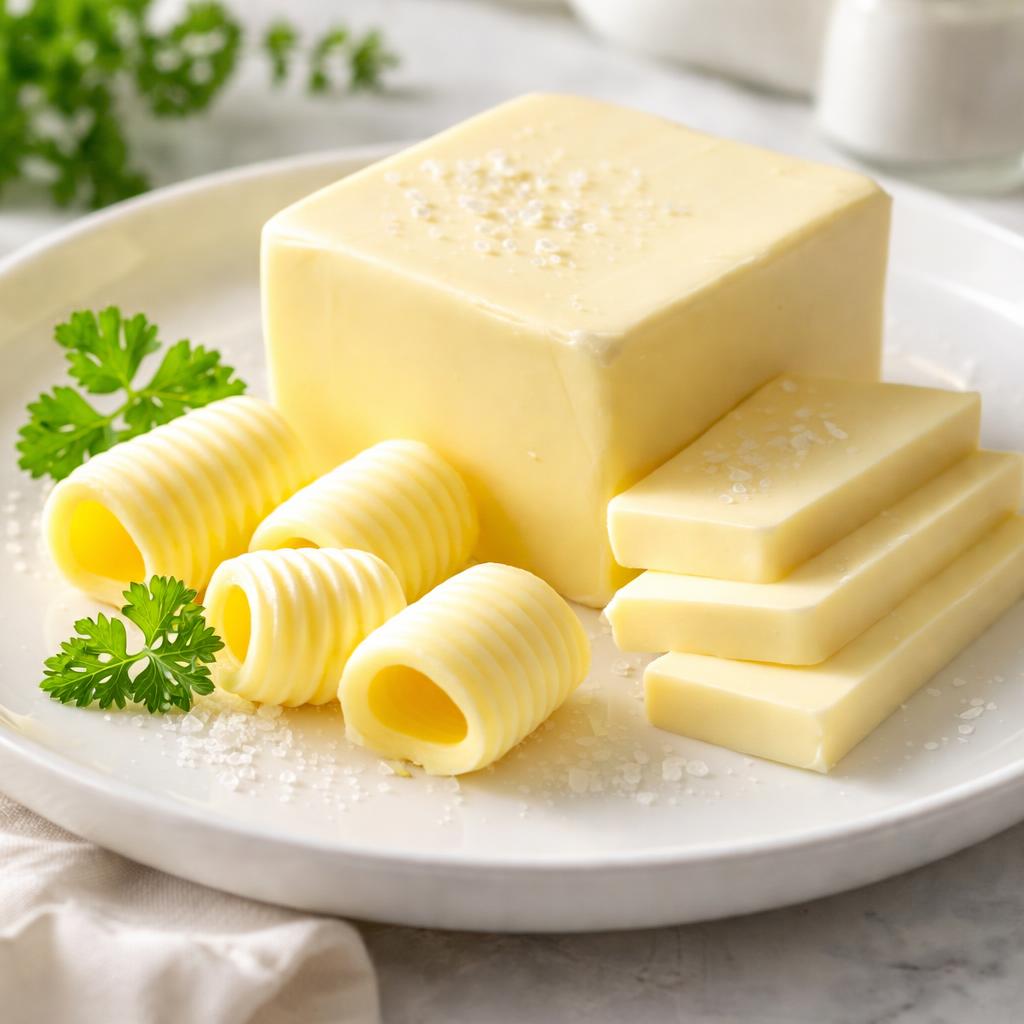
Butter
🎯 Quick Verdict
Rice and butter offer vastly different nutritional profiles. Rice is higher in protein, fiber, and lower in calories, making it better for weight management and providing energy. Butter, on the other hand, is calorie-dense and high in fats, particularly saturated fats, which are beneficial for keto diets and quick energy needs. Choose rice for balanced meals and butter for cooking or high-fat diets like keto.
Smart Nutrition Tracking with SnapCalorie
📊 Nutritional Comparison
Macronutrients
| Nutrient | Food 1 | Food 2 | Winner |
|---|---|---|---|
| Calories | 205 | 102 | ✓ |
| Protein | 4.3g | 0.1g | ✓ |
| Carbs | 45g | 0g | ✓ |
| Fat | 0.4g | 11.5g | ✓ |
| Fiber | 0.6g | 0g | ✓ |
Vitamins & Minerals
| Nutrient | Food 1 | Food 2 | Winner |
|---|---|---|---|
| Vitamin A | 0mcg | 950mcg | ✓ |
| Vitamin D | 0mcg | 0.68mcg | ✓ |
| Calcium | 10mg | 24mg | ✓ |
| Iron | 0.2mg | 0mg | ✓ |
🏆 Category Winners
Protein
Rice provides 43 times more protein than butter per serving.
Fiber
Rice contains some fiber, while butter has none.
Calories
Butter has fewer calories per gram than rice because it is concentrated fat.
Vitamins
Butter is rich in fat-soluble vitamins like Vitamin A and D, which rice lacks.
🥗 Diet Compatibility
Keto
Food 1: Not Compatible
Food 2: Compatible
Rice is high-carb, while butter is almost entirely fat and fits keto dietary needs.
Vegan
Food 1: Compatible
Food 2: Not Compatible
Rice is plant-based, while butter comes from dairy.
Gluten Free
Food 1: Compatible
Food 2: Compatible
Both foods are naturally gluten-free.
Paleo
Food 1: Compatible
Food 2: Compatible
Both rice and butter can fit into certain paleo diets.
Low-Carb
Food 1: Not Compatible
Food 2: Compatible
Butter is a zero-carb food, while rice is high in carbohydrates.
💪 Health Benefits Comparison
Food 1 Benefits
- Low in fat and provides sustained energy due to complex carbohydrates
- Contains fiber for better digestion
- Provides B vitamins essential for energy metabolism
Food 2 Benefits
- Rich in Vitamin A and D for eye health and immune support
- High in healthy fats that support satiety and brain function
- Provides quick energy for low-carb diets like keto
✅ The Bottom Line
Rice is ideal for those seeking a filling, low-fat food to pair with dishes or bulk up their meals with energy-rich carbohydrates. Butter is better for those on high-fat diets, keto plans, or as a flavorful addition to cooking. Both have distinct roles depending on dietary goals.
Choose Food 1 for: Weight management, energy, vegan diets, gluten-free recipes
Choose Food 2 for: Keto, paleo, cooking, quick energy needs