Rice VS Bean Salad
A detailed nutritional comparison
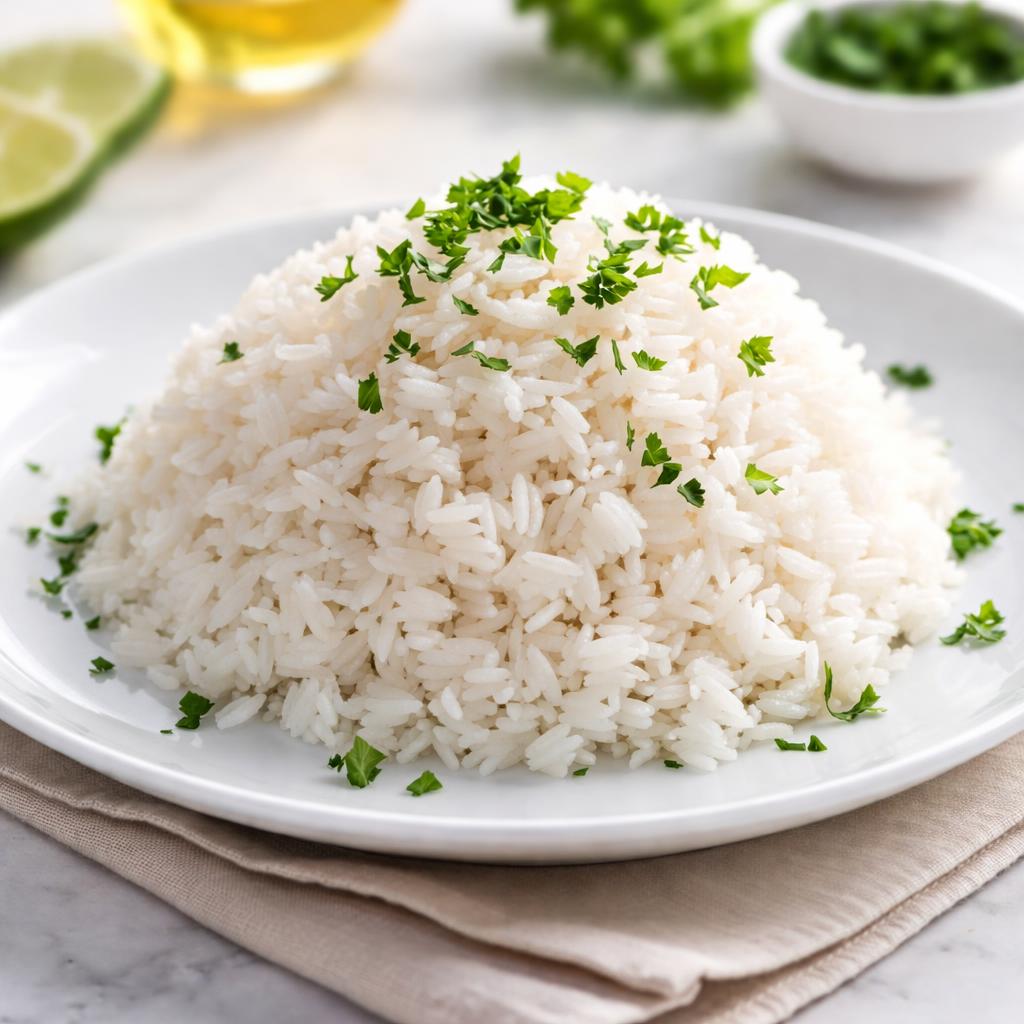
Rice
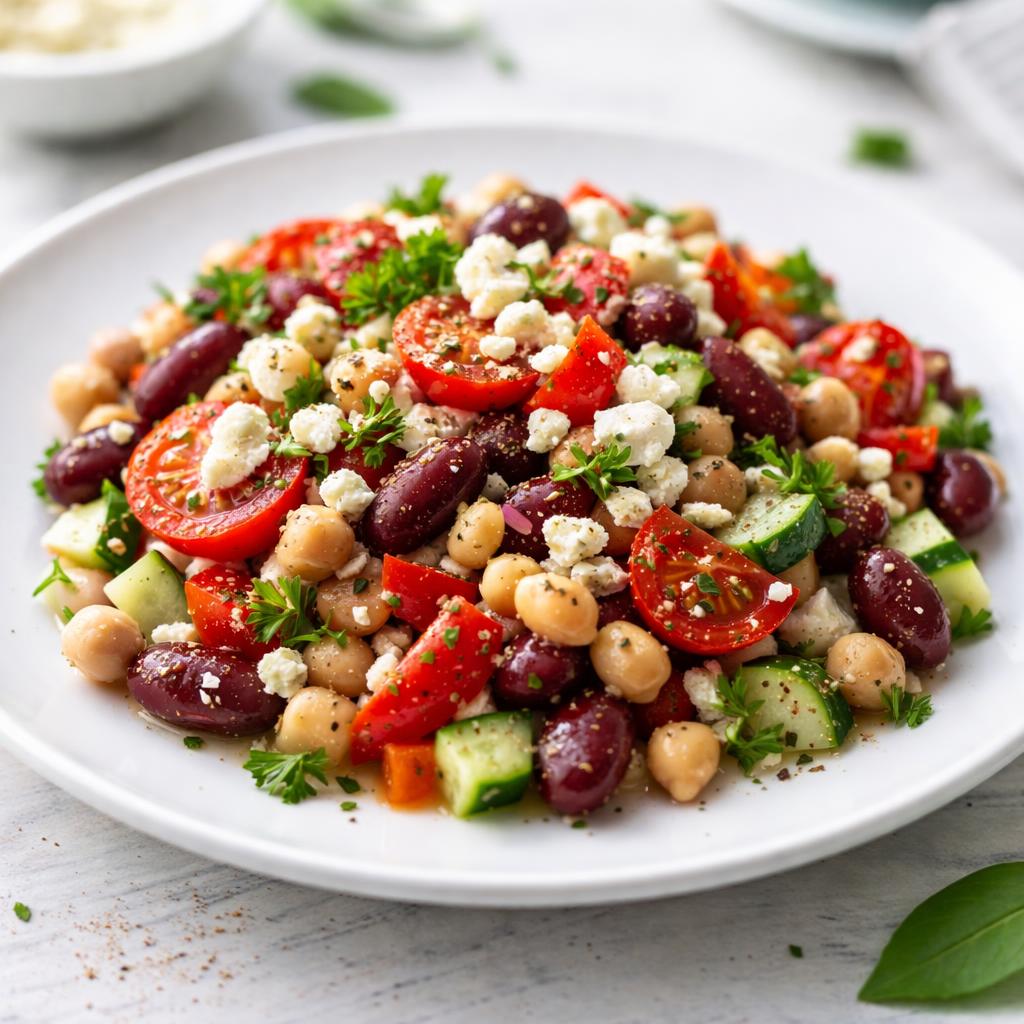
Bean Salad
🎯 Quick Verdict
Bean salad stands out due to its significantly higher protein (8g vs 2g) and fiber content (6g vs 1g), making it a more nutrient-dense and balanced choice. Rice, however, is lower in calories (130 kcal vs 160 kcal) and is a good option for energy-dense meals. Bean salad is better for heart health and sustained energy, while rice is versatile and suitable for quick carb-focused meals.
Smart Nutrition Tracking with SnapCalorie
📊 Nutritional Comparison
Macronutrients
| Nutrient | Food 1 | Food 2 | Winner |
|---|---|---|---|
| Calories | 130 | 160 | ✓ |
| Protein | 2g | 8g | ✓ |
| Carbs | 28g | 20g | ✓ |
| Fat | 0.3g | 6g | ✓ |
| Fiber | 1g | 6g | ✓ |
Vitamins & Minerals
| Nutrient | Food 1 | Food 2 | Winner |
|---|---|---|---|
| Vitamin C | 0mg | 6mg | ✓ |
| Iron | 0.2mg | 3mg | ✓ |
| Potassium | 35mg | 400mg | ✓ |
🏆 Category Winners
Protein
Bean salad contains 4x more protein per serving compared to rice.
Fiber
Bean salad has 6x more fiber per serving than rice.
Calories
Rice is lower in calories, making it a better pick for calorie-conscious meals.
Vitamins
Bean salad provides significantly more vitamins and minerals, including iron and potassium.
🥗 Diet Compatibility
Keto
Food 1: Not Compatible
Food 2: Not Compatible
Both foods are relatively high in carbs.
Vegan
Food 1: Compatible
Food 2: Compatible
Both are plant-based and suitable for vegan diets.
Gluten Free
Food 1: Compatible
Food 2: Compatible
Neither food contains gluten.
Paleo
Food 1: Not Compatible
Food 2: Not Compatible
Rice and legumes are typically avoided on paleo diets.
Low Carb
Food 1: Not Compatible
Food 2: Not Compatible
Both foods are relatively high in carbohydrates.
💪 Health Benefits Comparison
Food 1 Benefits
- Provides quick energy due to its carbohydrate content
- Easily digestible and suitable for sensitive stomachs
- Versatile for various cuisines and meal types
Food 2 Benefits
- Rich in plant-based protein for muscle repair and growth
- High in fiber, promoting better digestion and gut health
- Packed with antioxidants and minerals for heart health
✅ The Bottom Line
Bean salad is the more nutrient-dense option, offering higher protein, fiber, and vitamins, making it ideal for balanced meals, heart health, and energy. Rice is a better choice if you're aiming for a low-calorie, carbohydrate-focused meal or need a simple base for other dishes.
Choose Food 1 for: Quick energy, low-calorie meals, carb-focused dishes
Choose Food 2 for: Balanced diets, plant-based protein, digestive health