Fried Rice VS Rice And Peas
A detailed nutritional comparison
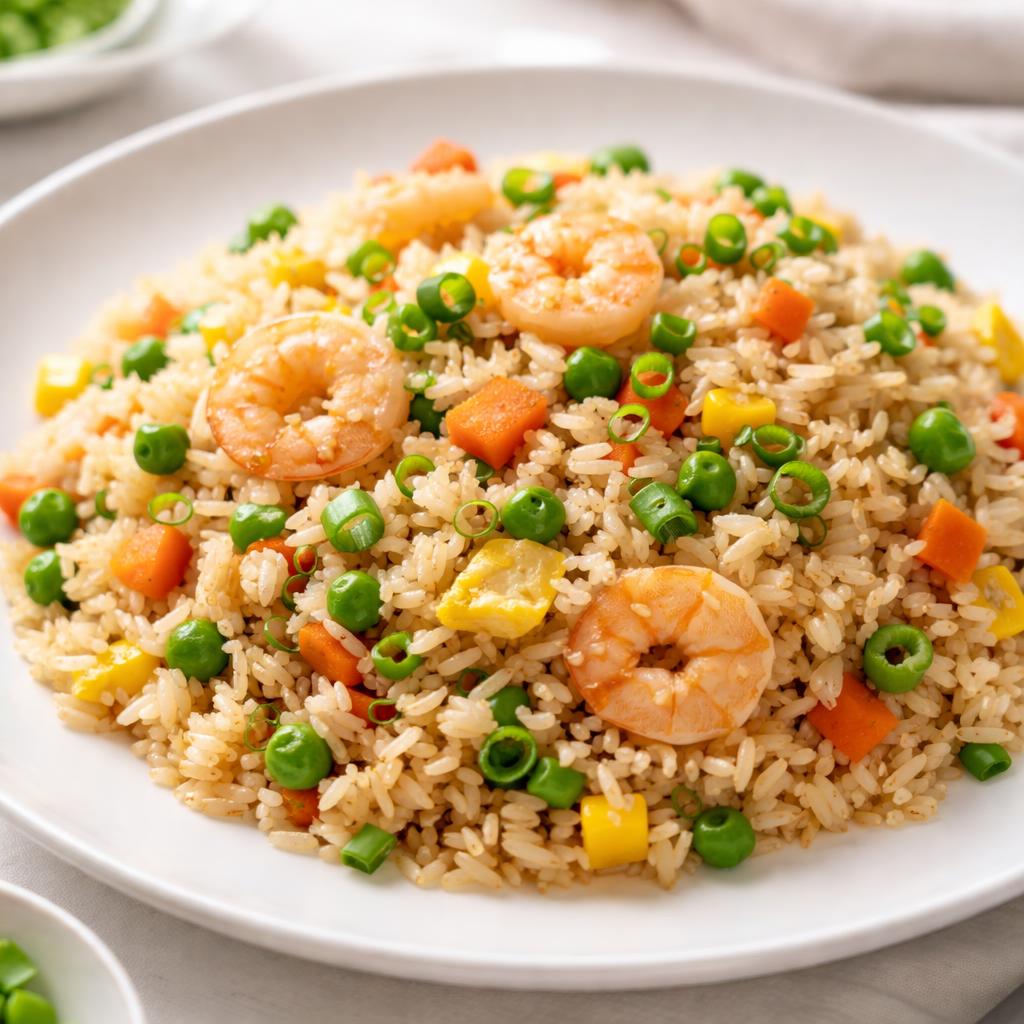
Fried Rice
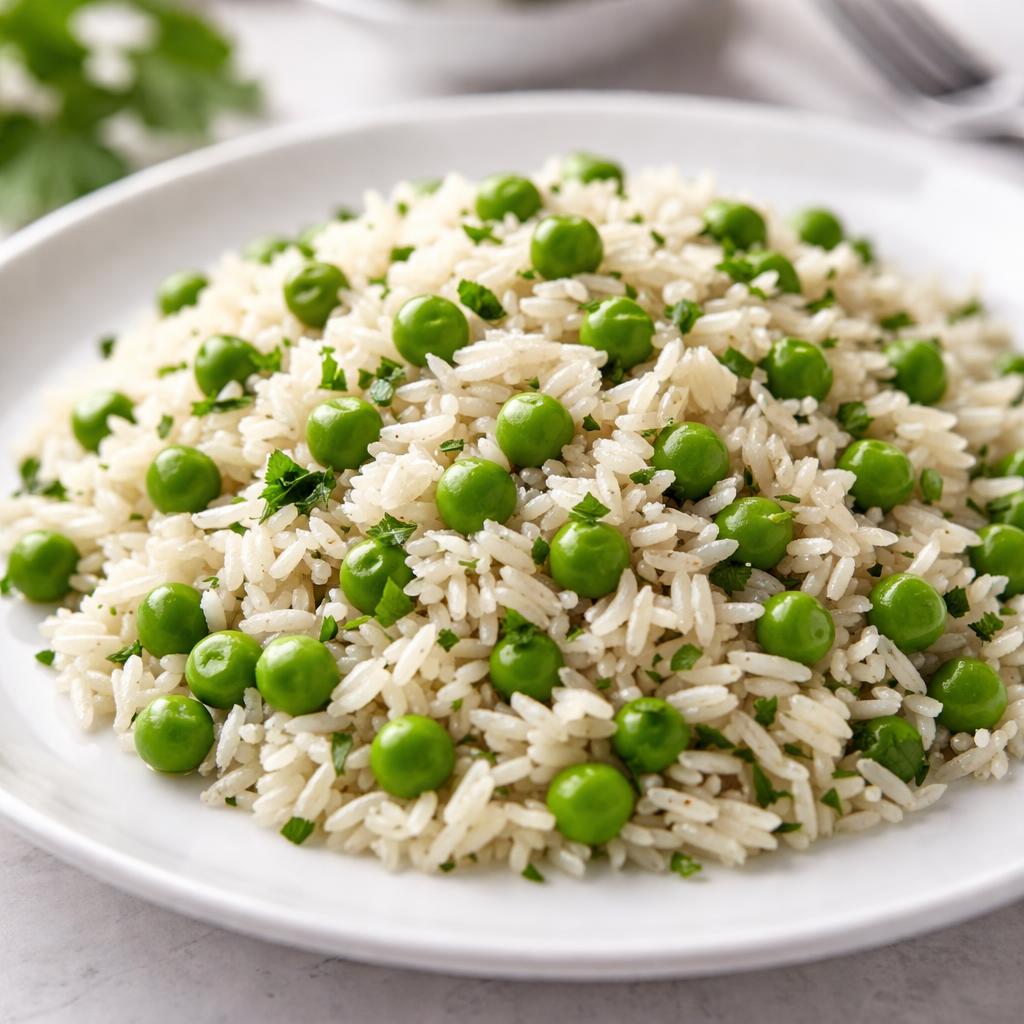
Rice And Peas
🎯 Quick Verdict
Rice and peas is nutritionally superior to fried rice, with more protein, fiber, and vitamins, while being lower in calories and fat. Fried rice has more carbohydrates and may be better suited for quick energy, while rice and peas is a healthier, nutrient-dense option for sustained energy and satiety.
Smart Nutrition Tracking with SnapCalorie
📊 Nutritional Comparison
Macronutrients
| Nutrient | Food 1 | Food 2 | Winner |
|---|---|---|---|
| Calories | 250 | 150 | ✓ |
| Protein | 5g | 8g | ✓ |
| Carbs | 45g | 32g | ✓ |
| Fat | 8g | 2g | ✓ |
| Fiber | 2g | 6g | ✓ |
Vitamins & Minerals
| Nutrient | Food 1 | Food 2 | Winner |
|---|---|---|---|
| Vitamin A | 0mcg | 50mcg | ✓ |
| Vitamin C | 0mg | 8mg | ✓ |
| Iron | 0.5mg | 2mg | ✓ |
🏆 Category Winners
Protein
Food2 (rice and peas) provides 60% more protein than food1 (fried rice).
Fiber
Food2 has three times more fiber, aiding in digestion and satiety.
Calories
Food2 contains 40% fewer calories per serving than food1.
Vitamins
Rice and peas provide a higher variety and quantity of essential vitamins like Vitamin A, Vitamin C, and iron.
🥗 Diet Compatibility
Keto
Food 1: Not Compatible
Food 2: Not Compatible
Both foods are high in carbohydrates and not suitable for ketogenic diets.
Vegan
Food 1: Compatible
Food 2: Compatible
Both recipes are plant-based.
Gluten Free
Food 1: Compatible
Food 2: Compatible
Neither food contains gluten when prepared traditionally.
Paleo
Food 1: Not Compatible
Food 2: Compatible
Rice and peas align more closely with paleo principles due to its minimal processing.
Low Carb
Food 1: Not Compatible
Food 2: Not Compatible
Both are relatively high in carbohydrates and do not fit into low-carb diets.
💪 Health Benefits Comparison
Food 1 Benefits
- Provides quick energy from carbohydrate content
- Contains some fats for energy storage
- Can be fortified with vegetables for additional nutrients
Food 2 Benefits
- Rich in protein for muscle repair and maintenance
- High in fiber for improved digestion and fullness
- Contains essential vitamins like Vitamin C and Iron for immune health and oxygen transport
- Lower in calories and fat for healthier weight management
✅ The Bottom Line
Rice and peas is the clear winner for nutrient density, providing more protein, fiber, and vitamins while being lower in calories and fat. Fried rice may be appealing for its taste and higher carb content, making it suitable for quick energy needs or post-workout for glycogen replenishment.
Choose Food 1 for: Quick energy replenishment, comfort food, intense physical activity
Choose Food 2 for: Weight management, nutrient-dense meals, digestion and satiety