Cheese VS Brown Rice
A detailed nutritional comparison
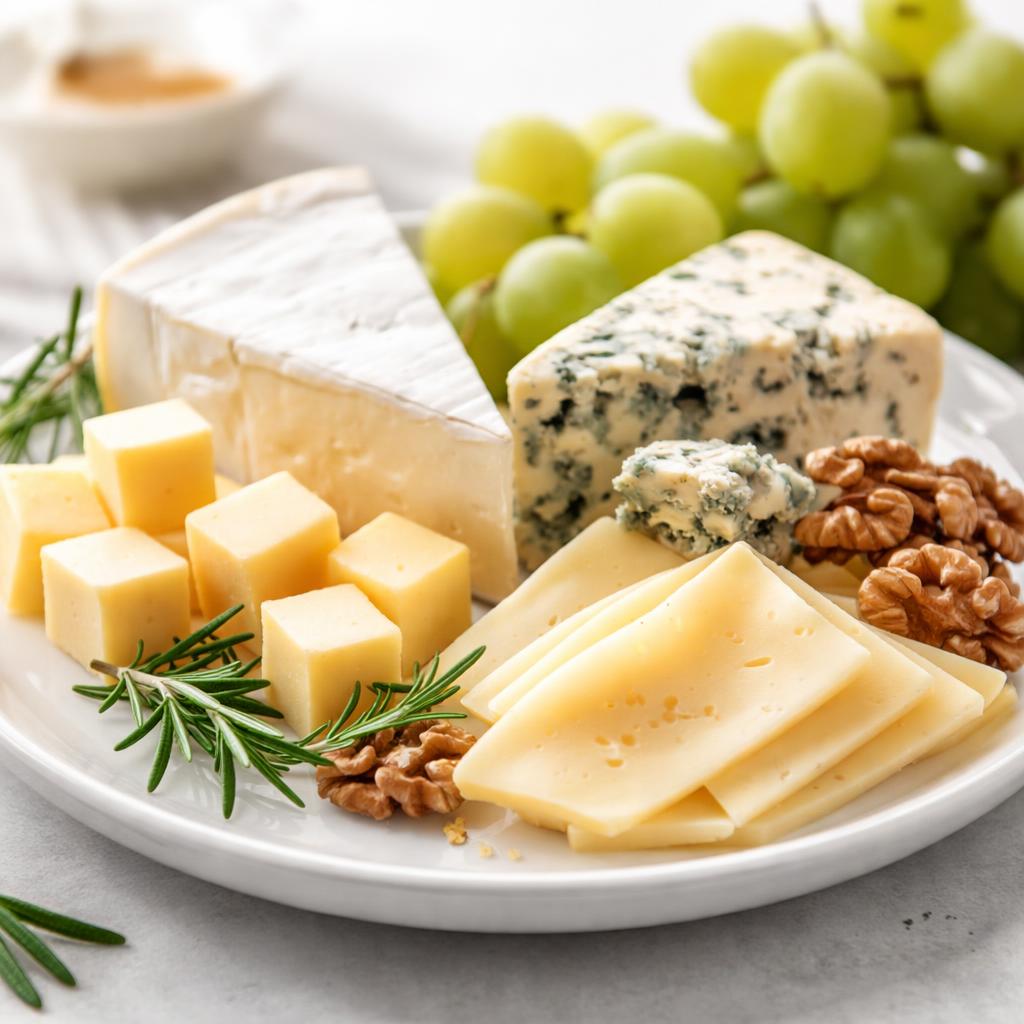
Cheese
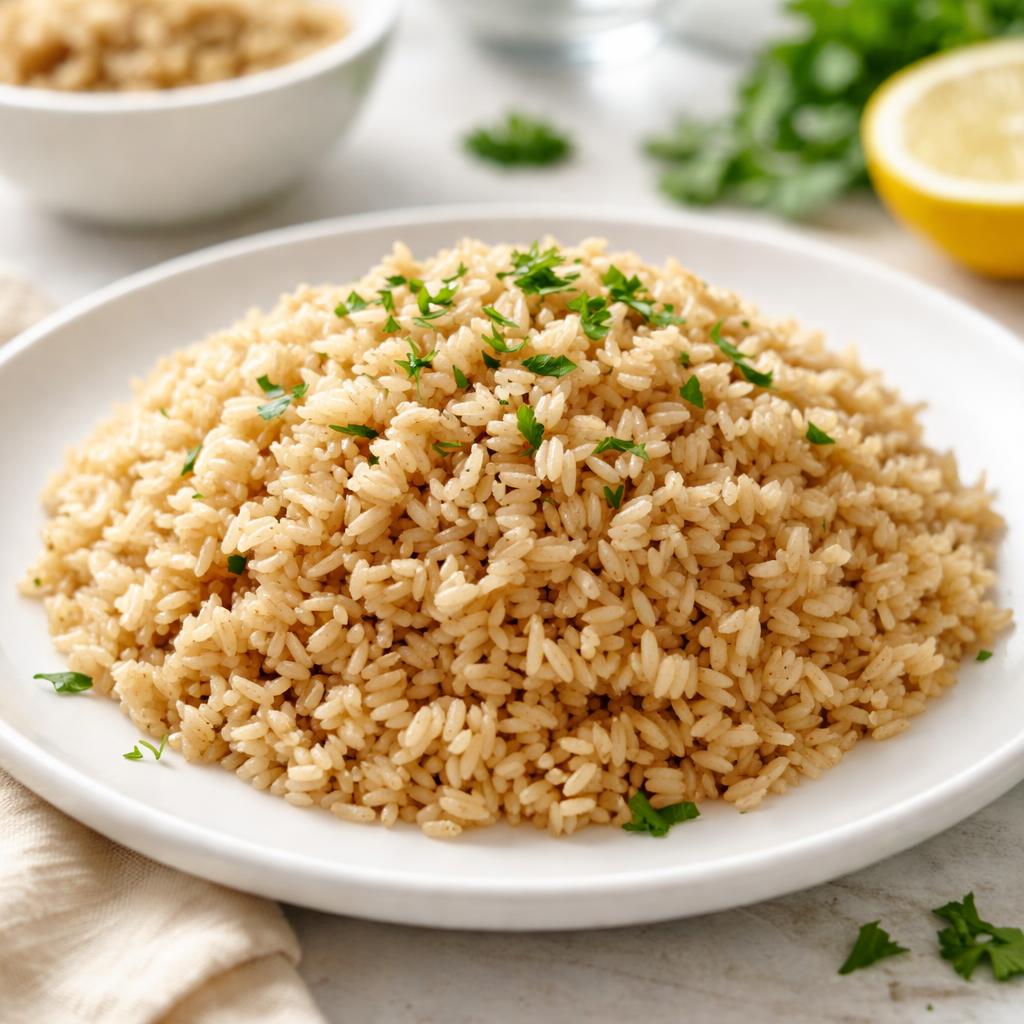
Brown Rice
🎯 Quick Verdict
Cheese offers higher protein and fat content, making it ideal for high-protein or keto diets. Brown rice provides more fiber and carbohydrates, which are essential for sustained energy and digestive health. Both foods serve different dietary purposes depending on individual needs and goals.

Smart Nutrition Tracking with SnapCalorie
📊 Nutritional Comparison
Macronutrients
| Nutrient | Food 1 | Food 2 | Winner |
|---|---|---|---|
| Calories | 113 | 215 | ✓ |
| Protein | 7g | 5g | ✓ |
| Carbs | 1g | 45g | ✓ |
| Fat | 9g | 2g | ✓ |
| Fiber | 0g | 3.5g | ✓ |
Vitamins & Minerals
| Nutrient | Food 1 | Food 2 | Winner |
|---|---|---|---|
| Calcium | 200mg | 20mg | ✓ |
| Vitamin B6 | 0mcg | 0.2mg | ✓ |
| Magnesium | 10mg | 84mg | ✓ |
| Vitamin D | 0.2mcg | 0mcg | ✓ |
| Iron | 0.2mg | 0.8mg | ✓ |
🏆 Category Winners
Protein
Cheese contains 40% more protein compared to brown rice.
Fiber
Brown rice is a richer source of fiber, aiding digestion.
Calories
Cheese has almost half the calories of brown rice per serving.
Vitamins
Cheese is higher in calcium and vitamin D, while brown rice provides more magnesium, iron, and vitamin B6.
🥗 Diet Compatibility
Keto
Food 1: Compatible
Food 2: Not Compatible
Cheese is very low in carbs, while brown rice is high in carbohydrates.
Vegan
Food 1: Not Compatible
Food 2: Compatible
Cheese is animal-derived, whereas brown rice is plant-based.
Gluten Free
Food 1: Compatible
Food 2: Compatible
Neither food contains gluten naturally.
Paleo
Food 1: Compatible
Food 2: Not Compatible
Cheese is often acceptable in modified Paleo diets; brown rice is typically excluded due to its grain nature.
Low-Carb
Food 1: Compatible
Food 2: Not Compatible
Cheese is very low-carb at 1g per serving, whereas brown rice has 45g per serving.
💪 Health Benefits Comparison
Food 1 Benefits
- Rich in calcium, supporting bone health
- A good source of protein for muscle maintenance
- Provides healthy fats for energy and cell function
- Contains small amounts of vitamin D for immune health
Food 2 Benefits
- High fiber content supports digestion and metabolism
- Rich in magnesium, which aids in muscle function and energy production
- Contains iron for oxygen transport and overall vitality
- Provides slow-digesting carbohydrates for sustained energy
✅ The Bottom Line
Cheese is best for those on keto, low-carb, or high-protein diets, while brown rice is better suited for individuals needing sustained energy or fiber for digestion. Choose cheese for weight loss or post-workout recovery, and brown rice for heart health and long-term energy needs.
Choose Food 1 for: Weight loss, keto diets, high protein intake
Choose Food 2 for: Energy sustenance, digestive health, vegan diets