Buckwheat VS Gluten-Free Bread
A detailed nutritional comparison
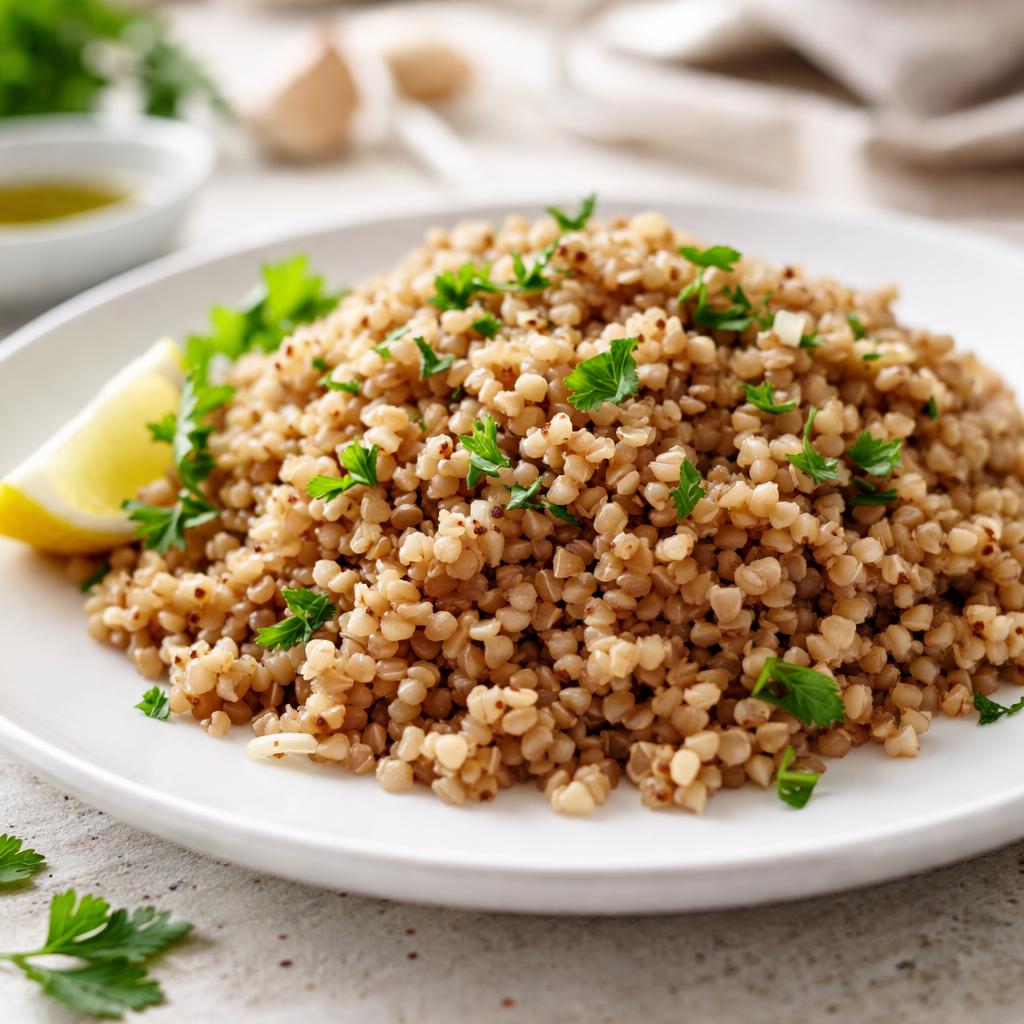
Buckwheat
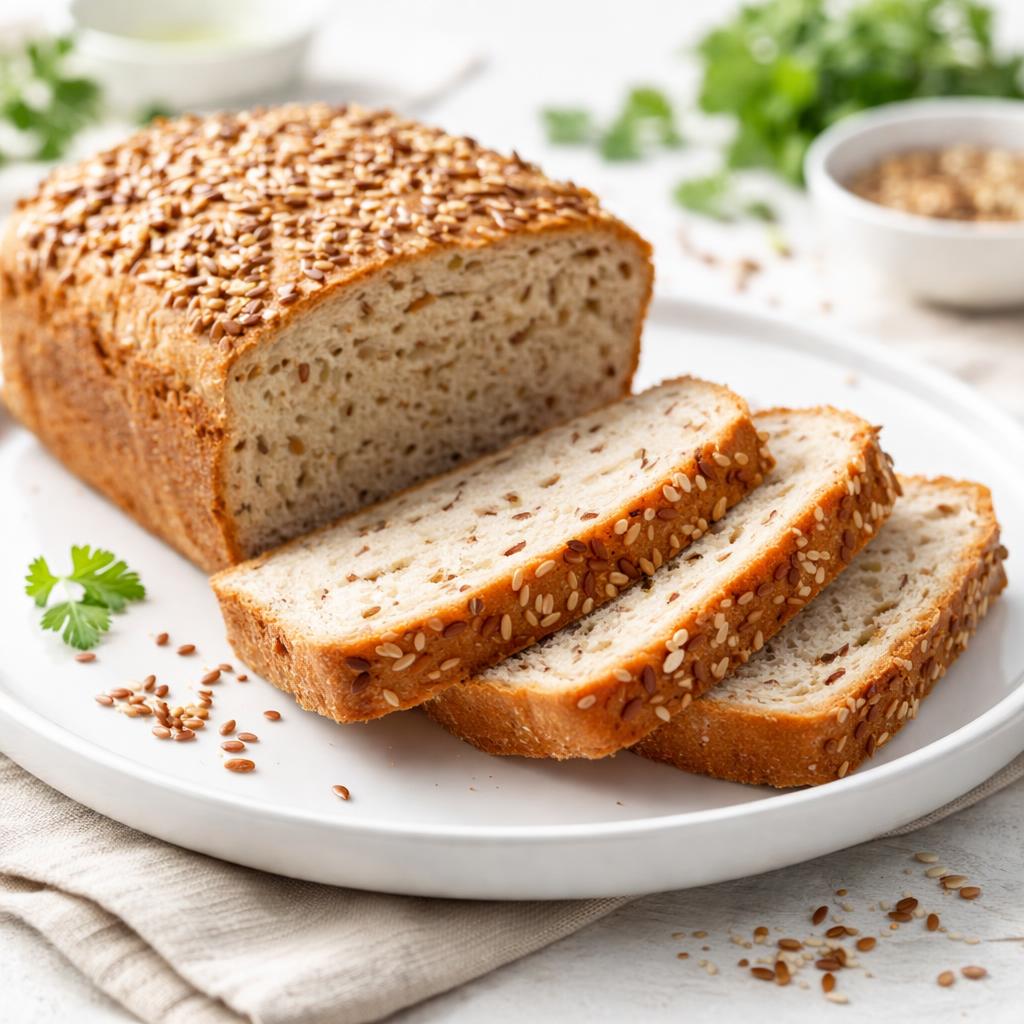
Gluten-Free Bread
🎯 Quick Verdict
Buckwheat is a nutrient-dense whole grain alternative with higher protein, fiber, and lower calories compared to gluten-free bread. Gluten-free bread provides a convenient option for a quick meal or sandwich but is typically lower in protein and fiber. Buckwheat suits health-conscious and versatile dishes, while gluten-free bread caters to convenience and specific dietary restrictions like gluten intolerance.

Smart Nutrition Tracking with SnapCalorie
📊 Nutritional Comparison
Macronutrients
| Nutrient | Food 1 | Food 2 | Winner |
|---|---|---|---|
| Calories | 155 calories per 100g | 240 calories per 100g | − |
| Protein | 5g per 100g | 3g per 100g | − |
| Carbs | 33g per 100g | 46g per 100g | − |
| Fat | 1g per 100g | 5g per 100g | − |
| Fiber | 4.5g per 100g | 2g per 100g | − |
Vitamins & Minerals
| Nutrient | Food 1 | Food 2 | Winner |
|---|---|---|---|
| Vitamin B6 | 0.1mg per 100g | 0.02mg per 100g | − |
| Magnesium | 86mg per 100g | 15mg per 100g | − |
| Iron | 2mg per 100g | 0.5mg per 100g | − |
🏆 Category Winners
Protein
Buckwheat contains 66% more protein per serving than gluten-free bread.
Fiber
Buckwheat provides over double the fiber content of gluten-free bread for digestive health.
Calories
Buckwheat has 35% fewer calories per serving compared to gluten-free bread.
🥗 Diet Compatibility
Keto
Food 1: Not Compatible
Food 2: Not Compatible
Both are high-carb foods unsuitable for keto diets.
Vegan
Food 1: Compatible
Food 2: Compatible
Both foods are plant-based and vegan-friendly.
Gluten Free
Food 1: Compatible
Food 2: Compatible
Buckwheat is naturally gluten-free, and gluten-free bread is specifically made without gluten.
Paleo
Food 1: Not Compatible
Food 2: Not Compatible
Neither food fits into the paleo diet due to processed nature (gluten-free bread) or grain content (buckwheat).
Low-Carb
Food 1: Not Compatible
Food 2: Not Compatible
Both foods are relatively high in carbohydrates.
💪 Health Benefits Comparison
Food 1 Benefits
- High in fiber to promote digestive health.
- Rich in plant-based protein for muscle maintenance.
- Contains magnesium for bone health and heart function.
- Provides antioxidants like rutin for reducing inflammation.
Food 2 Benefits
- Convenient for gluten-free diets and easy meal prep.
- Contains healthy fats (depending on brand) for energy.
- Rich in fortified vitamins (commonly added, such as vitamin D).
- Low allergenic potential for individuals with intolerances.
✅ The Bottom Line
Buckwheat is ideal for those seeking nutrient density, fiber, and protein in a gluten-free base. It works best for versatile meals like porridges or salads. Gluten-free bread offers convenience and is suitable for sandwiches, although it lacks the nutrient density of buckwheat.
Choose Food 1 for: Digestive health, muscle maintenance, weight management
Choose Food 2 for: Gluten-free convenience, quick meals, fortified nutrition