Broccoli VS Bread
A detailed nutritional comparison
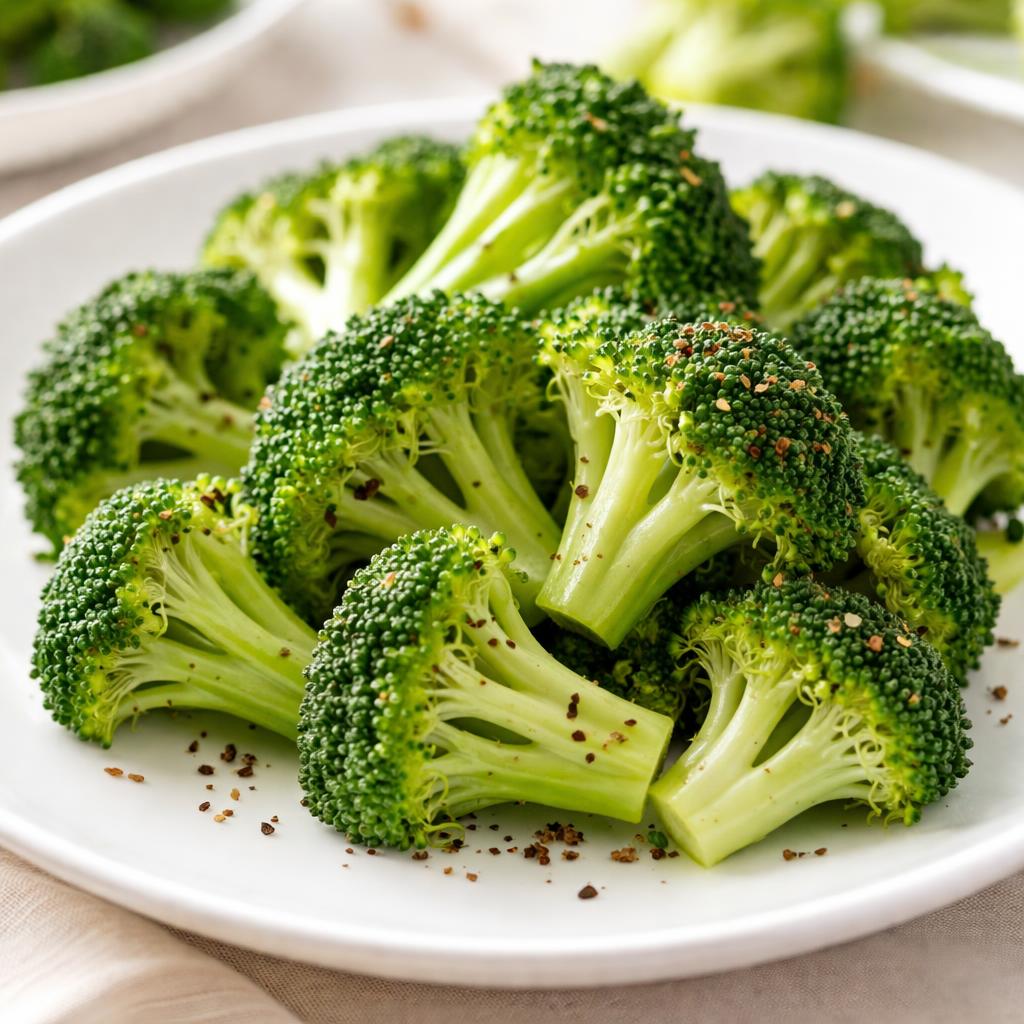
Broccoli
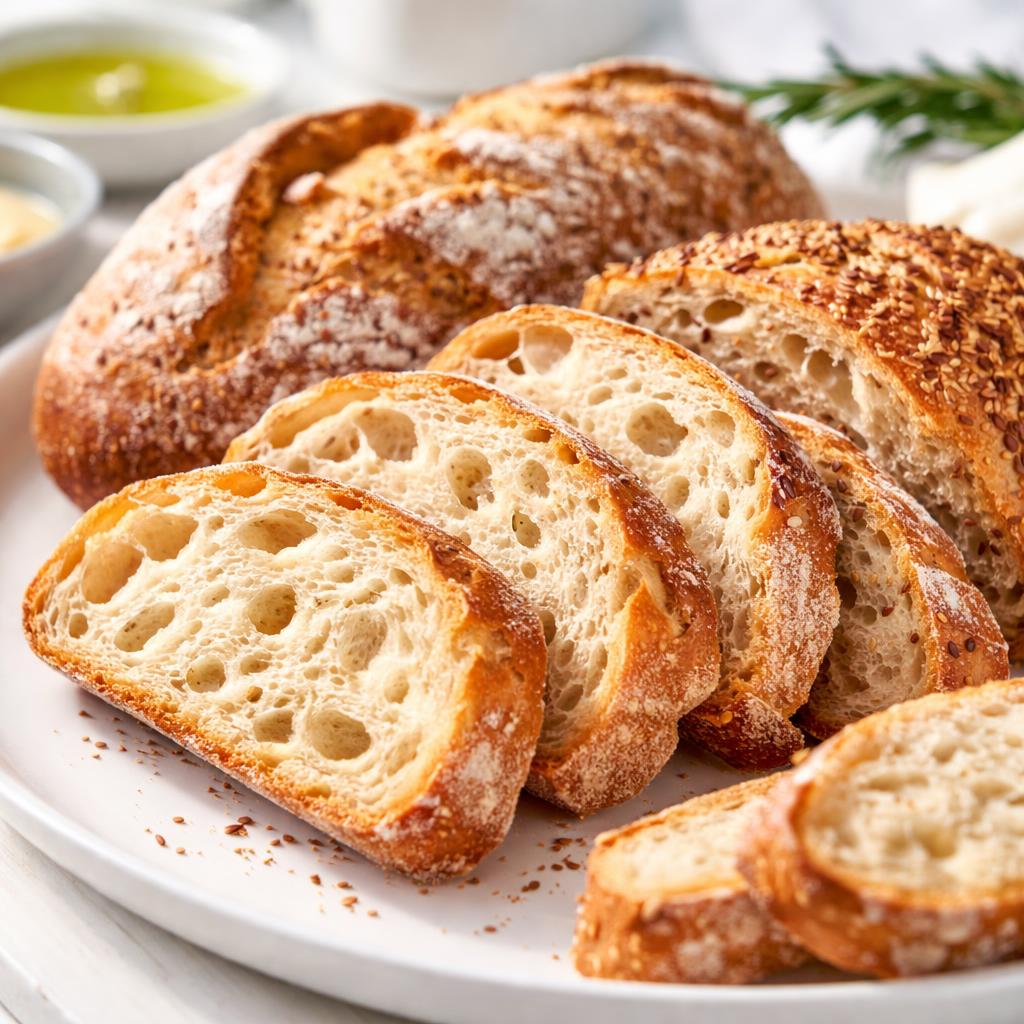
Bread
🎯 Quick Verdict
Broccoli is a nutrient-dense vegetable, high in fiber and low in calories, making it ideal for weight management and digestive health. Bread, while higher in calories and carbohydrates, provides sustained energy and is a convenient dietary staple. Choose broccoli for a lighter, healthier option and bread for energy needs or pairing with meals.

Smart Nutrition Tracking with SnapCalorie
📊 Nutritional Comparison
Macronutrients
| Nutrient | Food 1 | Food 2 | Winner |
|---|---|---|---|
| Calories | 55 | 265 | ✓ |
| Protein | 4.3g | 9g | ✓ |
| Carbs | 11.2g | 49g | ✓ |
| Fat | 0.4g | 3.3g | ✓ |
| Fiber | 2.6g | 2g | ✓ |
Vitamins & Minerals
| Nutrient | Food 1 | Food 2 | Winner |
|---|---|---|---|
| Vitamin C | 89.2mg | 0mg | ✓ |
| Vitamin D | 0mcg | 0mcg | − |
| Calcium | 47mg | 134mg | ✓ |
| Iron | 0.7mg | 3.7mg | ✓ |
🏆 Category Winners
Protein
Bread has over double the protein content of broccoli per serving.
Fiber
Broccoli provides slightly more fiber per 100g.
Calories
Broccoli contains almost five times fewer calories than bread, ideal for weight management.
Vitamins
Broccoli is rich in vitamin C, which bread lacks.
🥗 Diet Compatibility
Keto
Food 1: Compatible
Food 2: Not Compatible
Broccoli is low-carb (11.2g per 100g) and fits into a keto diet.
Vegan
Food 1: Compatible
Food 2: Compatible
Both foods are plant-based and vegan-friendly.
Gluten Free
Food 1: Compatible
Food 2: Not Compatible
Broccoli is naturally gluten-free, while bread typically contains gluten.
Paleo
Food 1: Compatible
Food 2: Not Compatible
Broccoli is a paleo-friendly whole food; bread is excluded due to grains.
Low Carb
Food 1: Compatible
Food 2: Not Compatible
Broccoli has 11.2g of carbs compared to bread's 49g, better fitting low-carb diets.
💪 Health Benefits Comparison
Food 1 Benefits
- Rich in antioxidants, including vitamin C, which supports immune health.
- High in fiber, aiding digestion and maintaining bowel movements.
- Low in calories, suitable for weight management and low-calorie diets.
- Contains sulforaphane, which may have anti-inflammatory and anti-cancer properties.
Food 2 Benefits
- Provides a good source of energy from carbohydrates.
- Contains iron, which supports oxygen transport in the body.
- Has calcium for bone health in fortified versions (e.g., whole wheat bread).
- Convenient and versatile for quick meals or as a base for nutrient-dense toppings.
✅ The Bottom Line
Broccoli is ideal for those prioritizing nutrient density, weight loss, and digestive health, while bread is a convenient energy source for active lifestyles or pairing with other foods. Choose broccoli for a low-calorie option and bread when energy and convenience are key.
Choose Food 1 for: Weight loss, low-carb diets, antioxidant needs
Choose Food 2 for: Energy, busy lifestyles, pairing with other nutrient-dense foods