Bread VS Quinoa
A detailed nutritional comparison

Bread
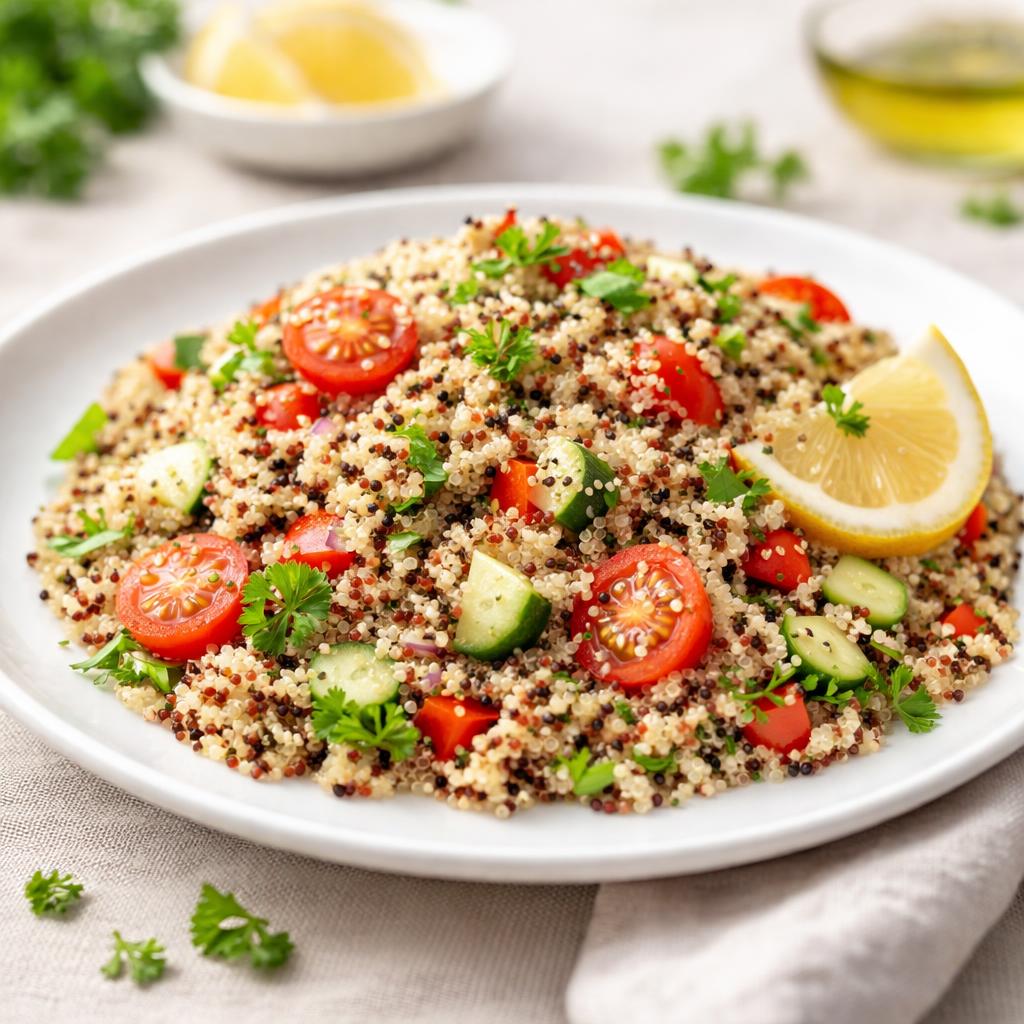
Quinoa
🎯 Quick Verdict
Quinoa is nutritionally superior to bread, offering more protein, fiber, and fewer calories per serving. Bread provides a quick source of energy but lacks the nutrient density of quinoa, which is also gluten-free and suitable for most diets. Choose bread for convenience and quinoa for a well-rounded nutritional boost.

Smart Nutrition Tracking with SnapCalorie
📊 Nutritional Comparison
Macronutrients
| Nutrient | Food 1 | Food 2 | Winner |
|---|---|---|---|
| Calories | 266 calories (per 100g) | 120 calories (per 100g) | ✓ |
| Protein | 8g | 4.4g | ✓ |
| Carbs | 49g | 21.3g | ✓ |
| Fat | 4g | 2g | ✓ |
| Fiber | 2.4g | 2.8g | ✓ |
Vitamins & Minerals
| Nutrient | Food 1 | Food 2 | Winner |
|---|---|---|---|
| Vitamin B1 (Thiamine) | 0.1mg | 0.36mg | ✓ |
| Magnesium | 22mg | 64mg | ✓ |
| Iron | 1.2mg | 1.49mg | ✓ |
🏆 Category Winners
Protein
Bread offers nearly double the protein compared to quinoa per 100g.
Fiber
Quinoa provides more fiber per serving, promoting better digestion.
Calories
Quinoa is lower in calories, making it ideal for weight management.
Vitamins And Minerals
Quinoa is richer in essential nutrients like magnesium and iron, as well as B vitamins.
🥗 Diet Compatibility
Keto
Food 1: Not Compatible
Food 2: Not Compatible
Both foods are too high in carbohydrates for keto diets.
Vegan
Food 1: Compatible
Food 2: Compatible
Both are plant-based and suitable for vegans.
Gluten Free
Food 1: Not Compatible
Food 2: Compatible
Bread contains gluten, while quinoa is naturally gluten-free.
Paleo
Food 1: Not Compatible
Food 2: Compatible
Bread is processed and not paleo-friendly, but quinoa is minimally processed.
Low-Carb
Food 1: Not Compatible
Food 2: Not Compatible
Both are relatively high-carb and unsuitable for low-carb dieting.
💪 Health Benefits Comparison
Food 1 Benefits
- Quick source of energy due to high carbohydrate content
- Contains small amounts of protein for muscle repair
- Accessible and affordable staple food
Food 2 Benefits
- Rich in magnesium, supporting muscle and nerve function
- Contains higher fiber levels for improved gut health
- Gluten-free and suitable for individuals with sensitivities
- Rich in antioxidants and anti-inflammatory properties
✅ The Bottom Line
Choose quinoa if focusing on nutrient density, digestion, or gluten-free options, as it is lower in calories, richer in fiber, and better for overall health. Bread remains a good choice for quick and budget-friendly energy needs but lacks the broader health benefits quinoa offers.
Choose Food 1 for: Quick energy, budget-friendly options, sandwiches/snacking
Choose Food 2 for: Weight loss, nutrient density, gluten-free and digestion-friendly diets