Bread VS Honey
A detailed nutritional comparison
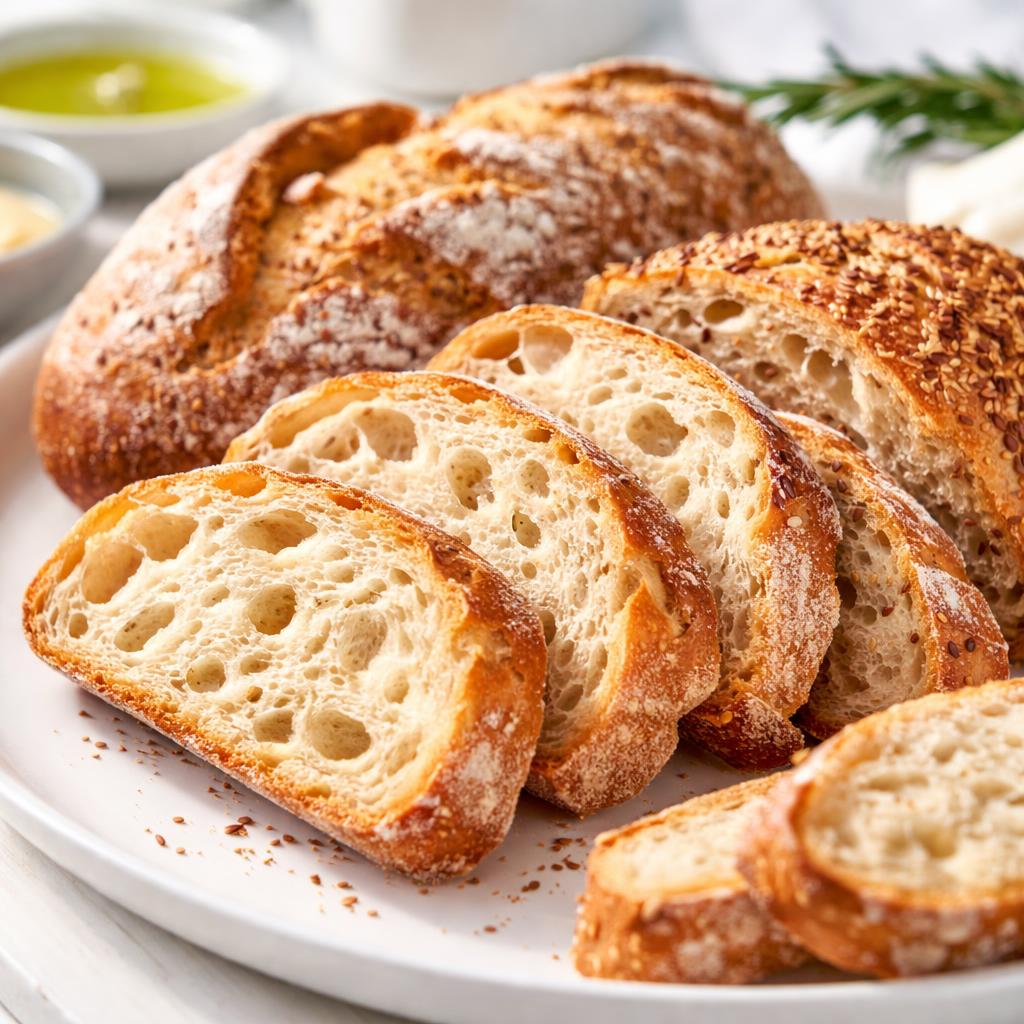
Bread
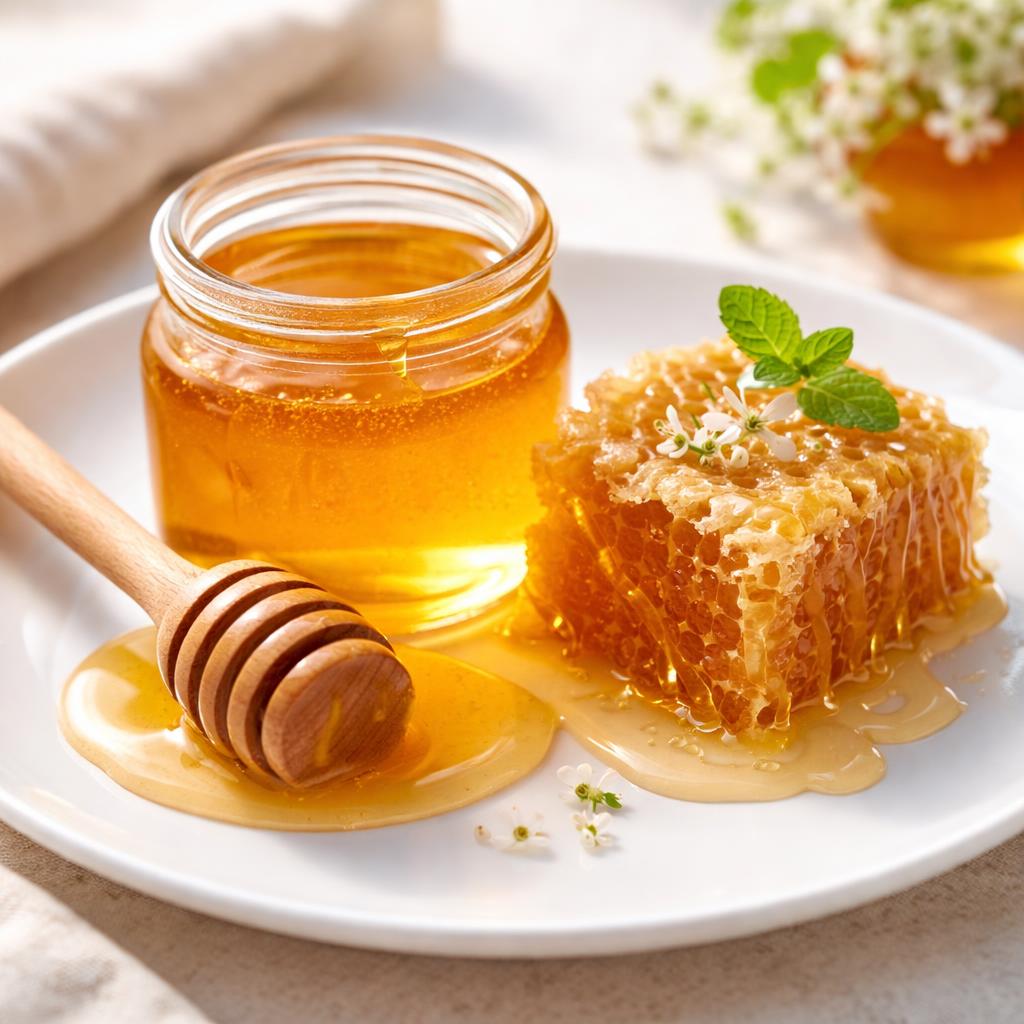
Honey
🎯 Quick Verdict
Bread is more nutrient-dense than honey in terms of protein, fiber, and lower calorie content. Honey, on the other hand, is purely a carbohydrate source and provides natural sugars with minimal protein or fiber. Bread is best for satiety and sustained energy, whereas honey serves as a quick energy boost and a natural sweetener in small amounts.

Smart Nutrition Tracking with SnapCalorie
📊 Nutritional Comparison
Macronutrients
| Nutrient | Food 1 | Food 2 | Winner |
|---|---|---|---|
| Calories | 80 per slice | 64 per tablespoon | ✓ |
| Protein | 2g per slice | 0.1g per tablespoon | ✓ |
| Carbs | 14g per slice | 17g per tablespoon | ✓ |
| Fat | 0.8g per slice | 0g per tablespoon | ✓ |
| Fiber | 1g per slice | 0g per tablespoon | ✓ |
Vitamins & Minerals
| Nutrient | Food 1 | Food 2 | Winner |
|---|---|---|---|
| Vitamin D | 0mcg | 0mcg | − |
| Calcium | 30mg per slice | 1mg per tablespoon | ✓ |
| Iron | 1mg per slice | 0.1mg per tablespoon | ✓ |
🏆 Category Winners
Protein
Bread has significantly more protein (2g per slice vs 0.1g per tablespoon of honey).
Fiber
Bread provides 1g of fiber per slice, compared to none in honey.
Calories
Bread is slightly lower in calories per volume (80 calories per slice vs 64 per tablespoon of honey).
🥗 Diet Compatibility
Keto
Food 1: Not Compatible
Food 2: Not Compatible
Both foods are high in carbohydrates.
Vegan
Food 1: Compatible
Food 2: Compatible
Bread and honey are plant-based foods.
Gluten Free
Food 1: Not Compatible
Food 2: Compatible
Bread contains gluten, while honey is gluten-free.
Paleo
Food 1: Not Compatible
Food 2: Compatible
Bread is processed and not allowed on the paleo diet; honey is considered paleo-friendly.
Low-Carb
Food 1: Not Compatible
Food 2: Not Compatible
Both foods have high carbohydrate content.
💪 Health Benefits Comparison
Food 1 Benefits
- Provides protein for muscle maintenance
- Contains fiber for digestive health
- Offers essential minerals like iron and calcium
Food 2 Benefits
- Acts as a quick source of energy due to natural sugars
- Contains antioxidants that may support immune health
- Serves as a natural sweetener with antibacterial properties
✅ The Bottom Line
Bread offers a more balanced nutritional profile than honey, making it better for sustained energy and satiety. Honey is best used sparingly as a natural sweetener or a quick energy booster. The choice depends on your dietary goals and context of use.
Choose Food 1 for: Sustained energy, balanced meals, fiber intake
Choose Food 2 for: Quick energy, sweetening foods, immune support