Bread VS Biscuits
A detailed nutritional comparison
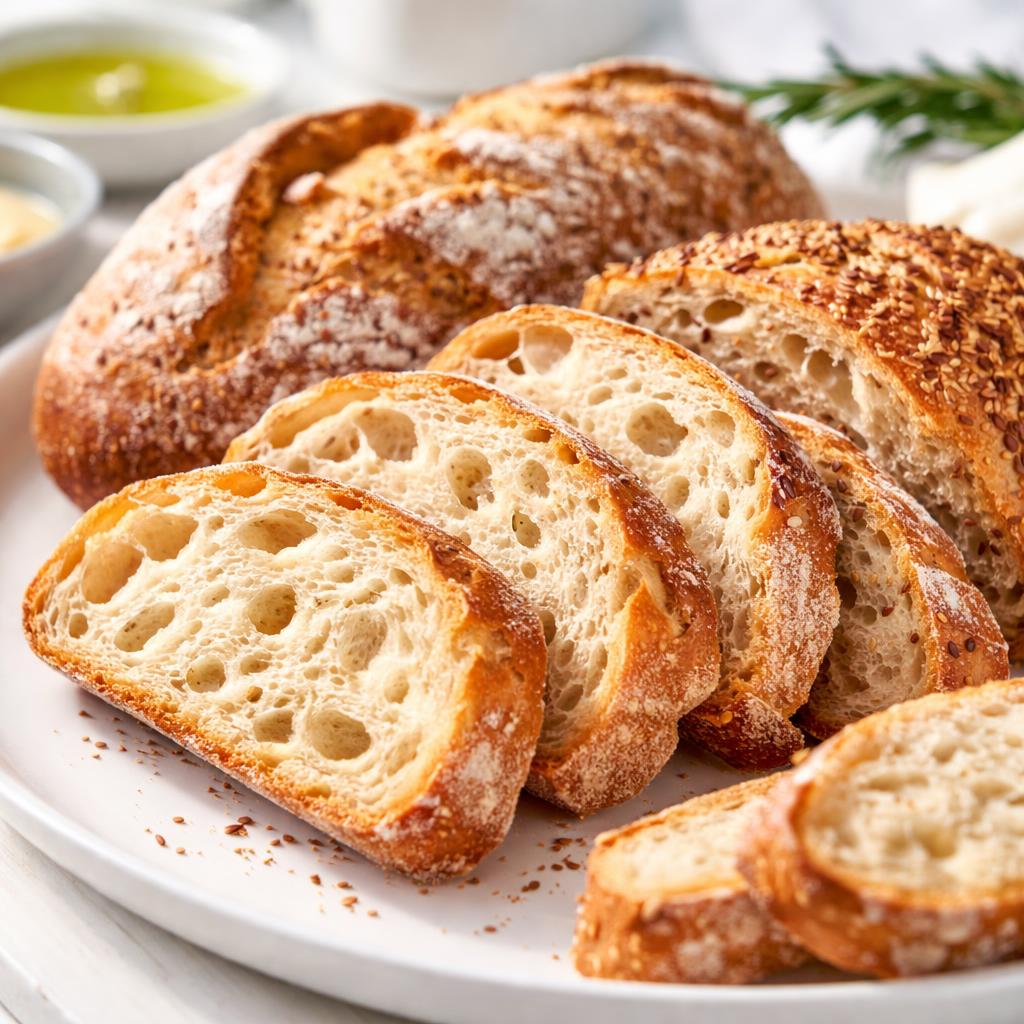
Bread
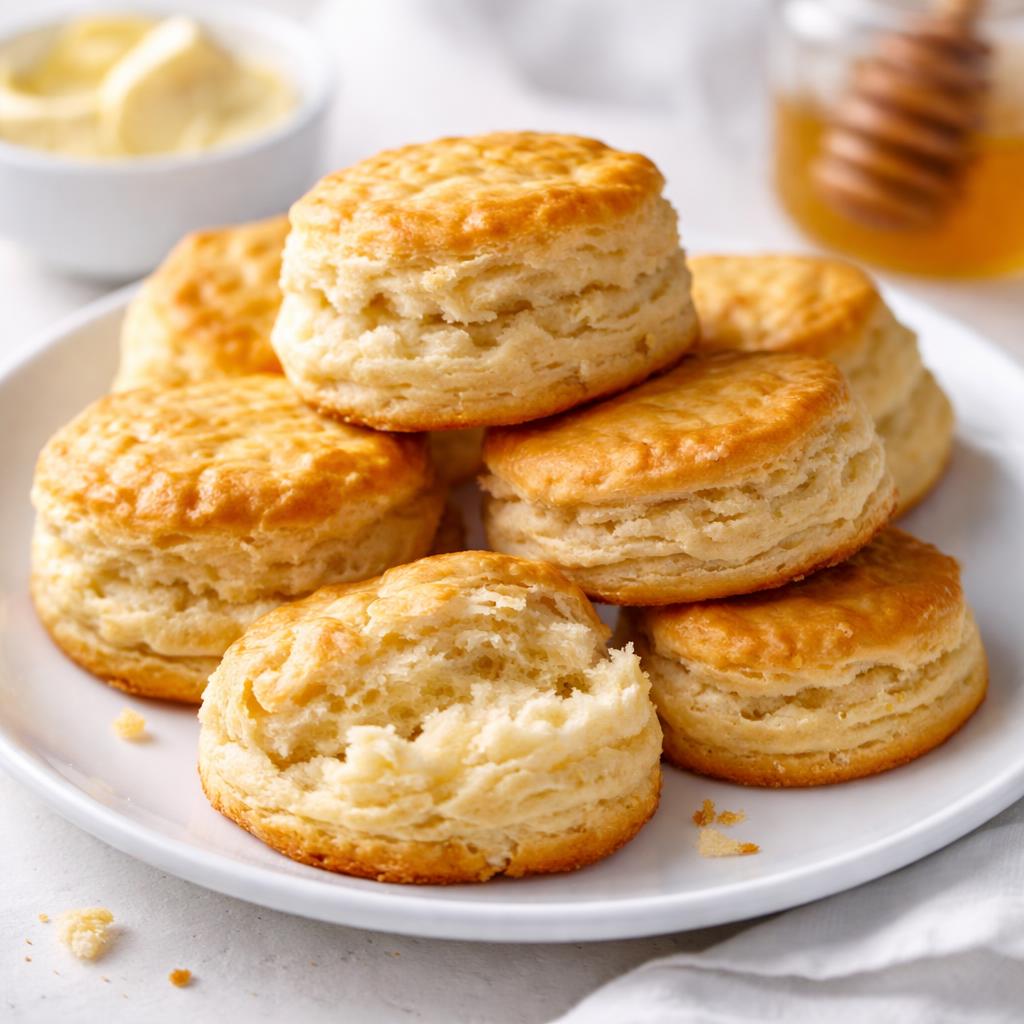
Biscuits
🎯 Quick Verdict
Bread is generally lower in calories and fat, while biscuits tend to have more sugar and fat, often making them less ideal for everyday consumption. Bread provides more protein and fiber, making it a better option for satiety and overall nutrition, whereas biscuits could serve as an energy-dense treat on occasion rather than a dietary staple.

Smart Nutrition Tracking with SnapCalorie
📊 Nutritional Comparison
Macronutrients
| Nutrient | Food 1 | Food 2 | Winner |
|---|---|---|---|
| Calories | 80 (per slice) | 150 (per biscuit) | ✓ |
| Protein | 3g | 2g | ✓ |
| Carbs | 14g | 20g | ✓ |
| Fat | 1g | 7g | ✓ |
| Fiber | 1.5g | 0.5g | ✓ |
Vitamins & Minerals
| Nutrient | Food 1 | Food 2 | Winner |
|---|---|---|---|
| Vitamin D | 0mcg | 0mcg | − |
| Calcium | 25mg | 20mg | ✓ |
| Iron | 0.8mg | 0.5mg | ✓ |
🏆 Category Winners
Protein
Bread has 50% more protein than biscuits.
Fiber
Bread provides three times as much fiber per serving.
Calories
Bread has nearly half the calories compared to biscuits.
🥗 Diet Compatibility
Keto
Food 1: Not Compatible
Food 2: Not Compatible
Both are high in carbs, which are unsuitable for keto diets.
Vegan
Food 1: Compatible
Food 2: Compatible
Both can be made without animal products.
Gluten Free
Food 1: Not Compatible
Food 2: Not Compatible
Both are made with wheat flour unless specified as gluten-free.
Paleo
Food 1: Not Compatible
Food 2: Not Compatible
Bread and biscuits are processed foods not allowed in paleo diets.
Low Carb
Food 1: Not Compatible
Food 2: Not Compatible
Both foods contain high amounts of carbohydrates.
💪 Health Benefits Comparison
Food 1 Benefits
- Provides a steady source of energy from complex carbohydrates
- Low in fat, making it heart-friendly
- Contains moderate protein for muscle maintenance
Food 2 Benefits
- Energy-dense option for quick bursts of energy
- May contain added minerals like calcium (in fortified versions)
- Can serve as an occasional indulgent treat
✅ The Bottom Line
Bread stands out as the more nutritious option for regular consumption, thanks to its higher protein and fiber content and lower calories. Biscuits, while less nutrient-dense, could be enjoyed occasionally as a treat. Choose bread for satiety and balanced nutrition, and biscuits for a short-term snack or dessert on special occasions.
Choose Food 1 for: Everyday meals, weight management, balanced diets
Choose Food 2 for: Quick snacks, energy boost, occasional treats