Bread VS Biscuit
A detailed nutritional comparison
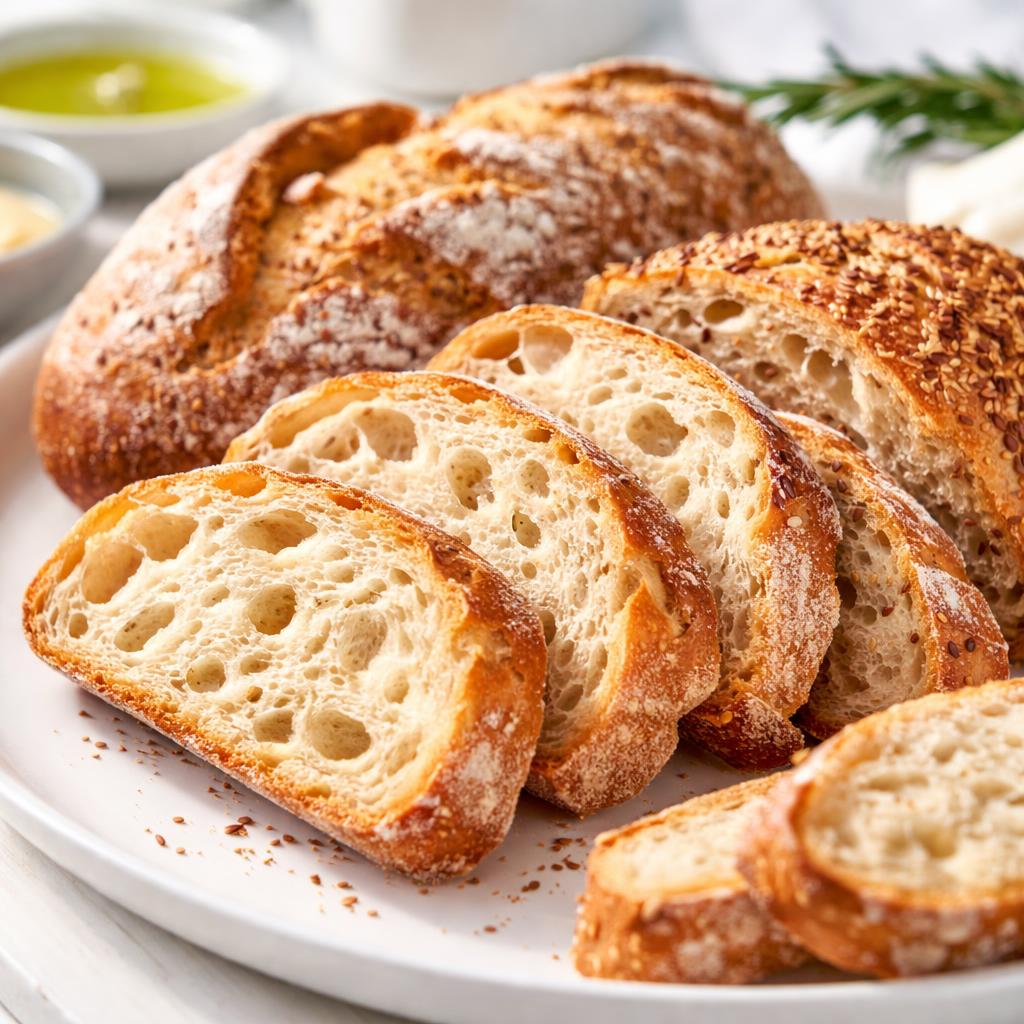
Bread
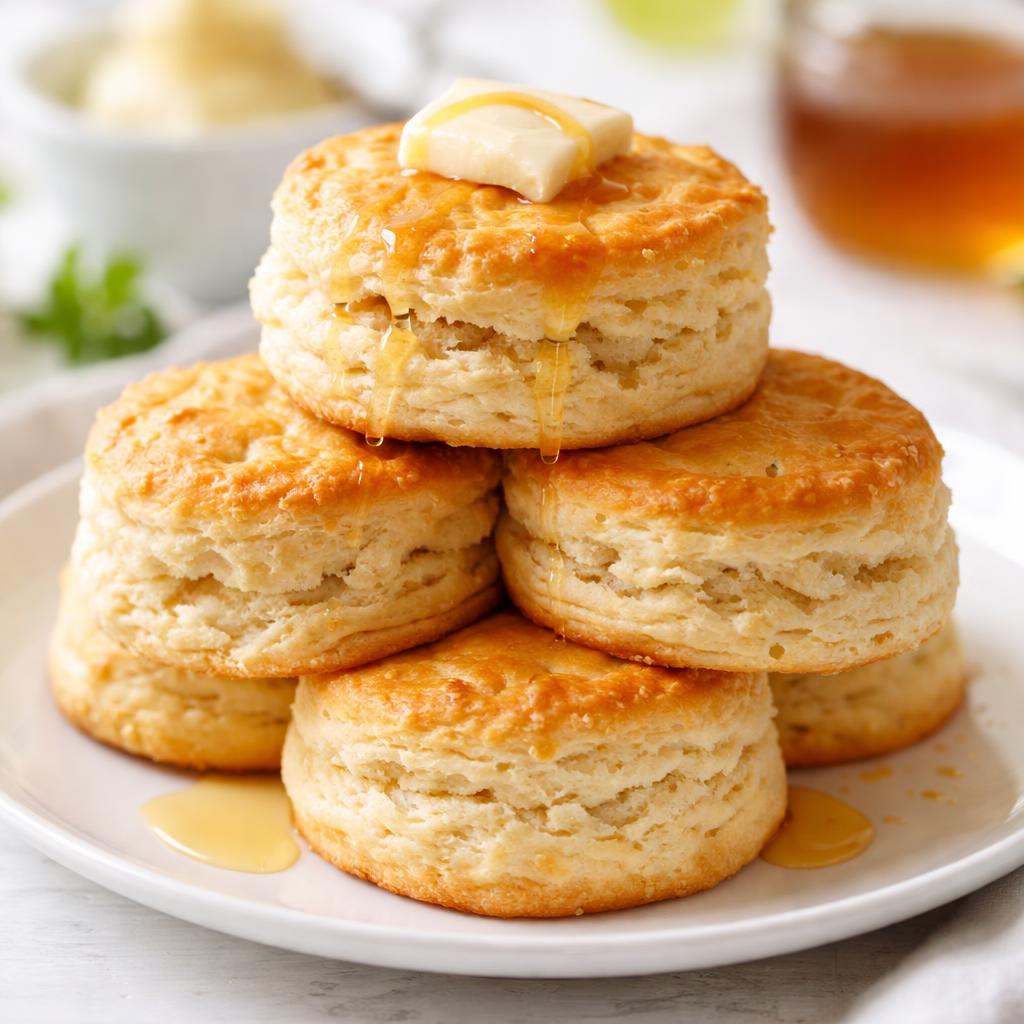
Biscuit
🎯 Quick Verdict
Bread is generally a more balanced option nutritionally compared to biscuits. It is lower in calories, higher in protein, and contains more fiber. Biscuits, on the other hand, tend to have more fat and sugar, making them less suitable for regular consumption but enjoyable as an occasional treat or energy boost.

Smart Nutrition Tracking with SnapCalorie
📊 Nutritional Comparison
Macronutrients
| Nutrient | Food 1 | Food 2 | Winner |
|---|---|---|---|
| Calories | 75 per slice (28g) | 115 per biscuit (28g) | ✓ |
| Protein | 2.5g | 1.5g | ✓ |
| Carbs | 14g | 17g | ✓ |
| Fat | 1g | 4g | ✓ |
| Fiber | 1g | 0.5g | ✓ |
Vitamins & Minerals
| Nutrient | Food 1 | Food 2 | Winner |
|---|---|---|---|
| Vitamin D | 0mcg | 0mcg | − |
| Calcium | 30mg | 20mg | ✓ |
| Iron | 0.3mg | 0.2mg | ✓ |
🏆 Category Winners
Protein
Bread provides 67% more protein per serving compared to biscuits.
Fiber
Bread has twice the amount of fiber than biscuits, supporting better digestion.
Calories
Bread has 35% fewer calories per serving compared to biscuits.
Vitamins
Bread offers slightly more minerals such as calcium and iron.
🥗 Diet Compatibility
Keto
Food 1: Not Compatible
Food 2: Not Compatible
Both are high in carbs, making them unsuitable for keto diets.
Vegan
Food 1: Depends on recipe
Food 2: Depends on recipe
Certain ingredients, such as milk or butter, in either food may affect vegan compatibility.
Gluten Free
Food 1: Not Compatible
Food 2: Not Compatible
Both typically contain gluten unless made specifically gluten-free.
Paleo
Food 1: Not Compatible
Food 2: Not Compatible
Neither fits the paleo diet due to processed grains and refined ingredients.
Low-Carb
Food 1: Not Compatible
Food 2: Not Compatible
Both contain significant carbohydrates and are unsuitable for low-carb diets.
💪 Health Benefits Comparison
Food 1 Benefits
- Lower in calories, ideal for weight management
- Provides more fiber for digestive health
- Higher protein content to support muscle repair
Food 2 Benefits
- Higher in fat, offering sustained energy
- Convenient snack option for quick energy boosts
- Often fortified with vitamins for added nutritional value
✅ The Bottom Line
Bread is the better option for balanced nutrition and regular consumption, especially for weight management and keeping fuller longer. Biscuits are less ideal for daily use but can serve as an occasional treat or a quick energy boost.
Choose Food 1 for: Everyday meals, weight management, protein-rich diets
Choose Food 2 for: Quick snacks, energy boost, occasional indulgence