Apple VS Jam
A detailed nutritional comparison
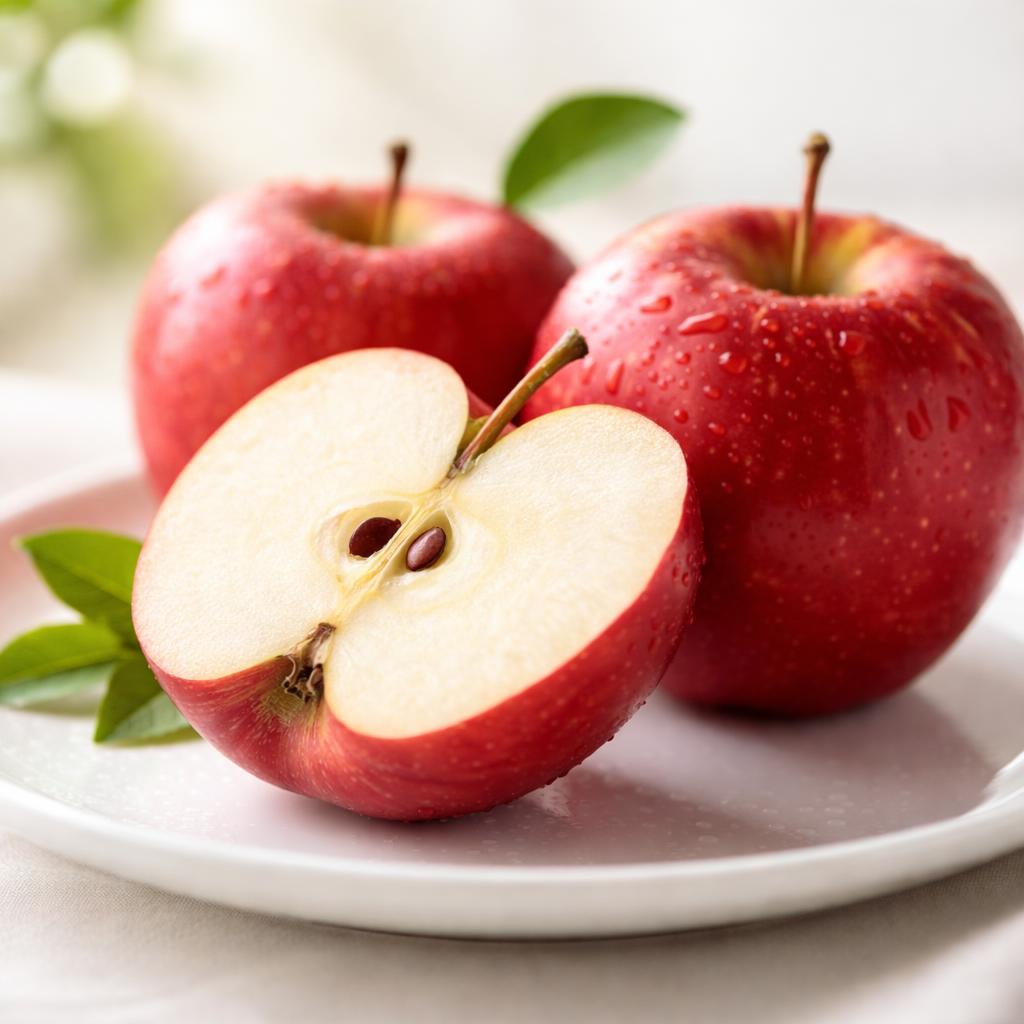
Apple

Jam
🎯 Quick Verdict
Apples are a low-calorie, fiber-rich fruit ideal for healthy snacking and weight management, while jam is calorie-dense and high in sugar, often used as a sweetener or condiment. Apples provide superior vitamins and minerals, while jam offers quick energy but few nutrients.
Smart Nutrition Tracking with SnapCalorie
📊 Nutritional Comparison
Macronutrients
| Nutrient | Food 1 | Food 2 | Winner |
|---|---|---|---|
| Calories | 95 | 260 | ✓ |
| Protein | 0.5g | 0.5g | − |
| Carbs | 25g | 67g | ✓ |
| Fat | 0.3g | 0g | ✓ |
| Fiber | 4.4g | 0.2g | ✓ |
Vitamins & Minerals
| Nutrient | Food 1 | Food 2 | Winner |
|---|---|---|---|
| Vitamin C | 8.4mg | 0mg | ✓ |
| Potassium | 195mg | 20mg | ✓ |
| Vitamin A | 3mcg | 0mcg | ✓ |
🏆 Category Winners
Protein
Both foods provide negligible protein, at 0.5g per serving.
Fiber
Apples offer over 20x more fiber per serving than jam.
Calories
Apples are much lower in calories, with only 95 calories per serving versus jam's 260 calories.
🥗 Diet Compatibility
Keto
Food 1: Not Compatible
Food 2: Not Compatible
Both foods are high in carbs and unsuitable for keto diets.
Vegan
Food 1: Compatible
Food 2: Compatible
Both foods are plant-based and align with vegan diets.
Gluten Free
Food 1: Compatible
Food 2: Compatible
Neither contains gluten and both are safe for gluten-free diets.
Paleo
Food 1: Compatible
Food 2: Not Compatible
Apples are natural and unprocessed, suitable for paleo diets, whereas jam often contains refined sugars.
Low-Carb
Food 1: Not Compatible
Food 2: Not Compatible
Both are high in carbohydrates and do not fit into low-carb diets.
💪 Health Benefits Comparison
Food 1 Benefits
- High in fiber, supports digestion and heart health
- Rich in Vitamin C, boosts immune function
- Contains antioxidants, promotes cell health
Food 2 Benefits
- Provides quick energy from simple carbohydrates
- Can enhance flavor in recipes or snacks
- May provide small amounts of potassium
✅ The Bottom Line
Choose apples for a nutrient-dense, low-calorie snack that supports digestion, heart health, and immunity. Opt for jam sparingly as a sweetener or energy booster but be mindful of its high sugar and calorie content.
Choose Food 1 for: Weight management, healthy snacking, digestion support
Choose Food 2 for: Sweetening dishes, quick energy, occasional use